Lymphoma is a form of cancer that affects that immune system directly. Lymphocytes, the cells responsible for fighting infections, is directly affected by this condition.
Cancer cells are known to grow out of control, multiply and cause severe damage to other body parts, whilst also spreading to organs other than the origin of the cancer cell itself.
Lymphoma is a case not very different from this either. Lymphocytes can change and grow out of control when you are diagnosed with lymphoma. It can affect the bone marrow in patients, and it is important to consult a doctor regarding bone marrow transplantation.

There are mainly two types of this dreaded condition, non-Hodgkin and Hodgkin. Among these two, non-Hodgkin is the most common type that is diagnosed among patients with the condition. The two types also involve a very different type of cells. It is important to realize that if a patient experiences different symptoms then he must consult a doctor immediately.
You can go to a bone marrow transplantation hospital in Bangalore to seek treatment for this particular condition to help treat lymphoma.
Common symptoms experienced by most patients:
Every patient will experience different symptoms and different levels of lymphoma growth rate. They may also respond differently to a treatment. Thus, it is of utmost importance for the patient to address his/her symptoms soon as they begin to arise. Being lethargic about these symptoms might lead to drastic results in the future if left unattended for long period of time.
The common mistake that most patients diagnosed with lymphoma make is that they do not report to a doctor immediately when they feel that something is wrong. They are usually indifferent to the various symptoms that may be prompting them to visit a doctor and wait till the absolute last minute to get themselves checked, by which time the damage is severe.
Listed below are some of the most common symptoms that one is likely to experience with lymphoma:
- Continuous feeling of tiredness/fatigue even after ample rest
- Fever
- Night sweats that were usually absent earlier
- Unexplained loss of weight even without dieting or rigorous exercise
- Painless swelling of lymph nodes in the neck, armpits or groin
There could be many other symptoms as well apart from the common ones listed above and it is important to visit a doctor/bone marrow transplantation hospital in Bangalore if you feel that these symptoms are fairly persistent than normal.
How bone marrow transplant helps in treating lymphoma?
You may think of bone marrow transplant as being a treatment after a high dose of chemotherapy that can help in treating lymphoma. Bone marrow is the spongy material that fills the bones in our bodies, which is comprised of stem cells. These stem cells are early blood cells which develop into three different types.
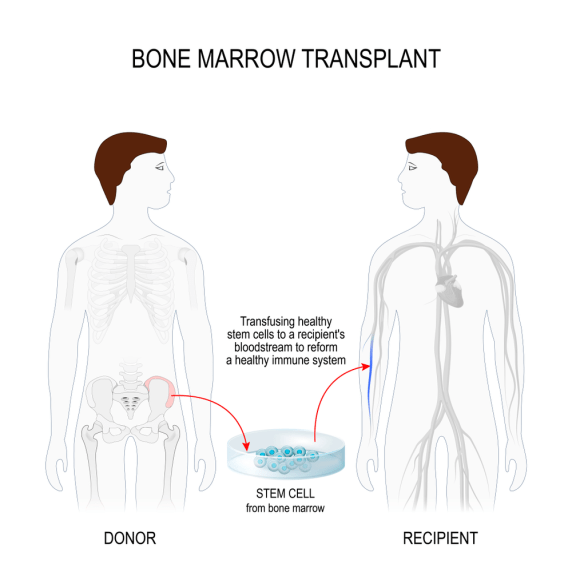
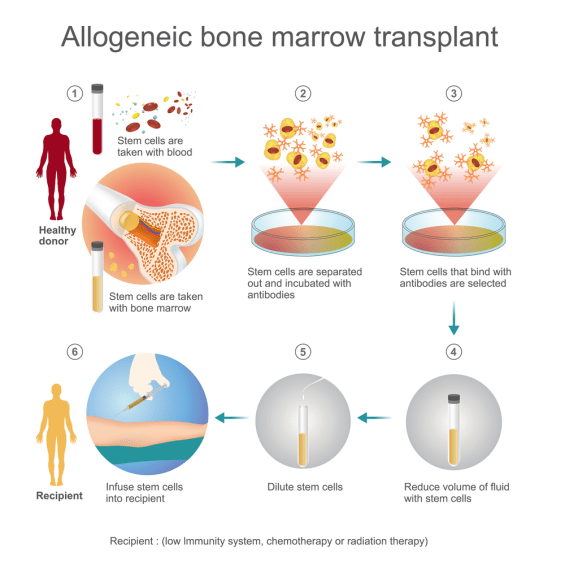
We have all heard about chemotherapy and how it may help in killing the cancer cells present in the body to help the patient regain immunity and whatnot. But, after a high dose of chemotherapy, stem cells that are present in the bone marrow may sometimes get killed in the process as well. Therefore, before chemotherapy, the stem cells/bone marrow samples of the patient are collected. If not from a patient, they are collected from a donor.
This way, after chemotherapy has been undergone by the patient, the stem cells/bone marrow samples that were collected earlier are inserted back into a vein via a dip. This helps the patient regain the stem cells and make their blood cells they need again. Bone marrow transplantation thus helps in the treatment of lymphoma in this manner.
To conclude, it is very crucial to identify this condition in the early stage. During the uprising of this condition, it can be treated and cured. But if it’s too late, then the damage will to severe to cure it.
 CancerCareNews