How does IMRT radiation work? how long sessions generally last.

The patients get worried and overwhelmed at the beginning of cancer treatment. Acknowledging the treatment procedure and its benefits will help to ease the process. The information provided will boost the confidence on the treatment.

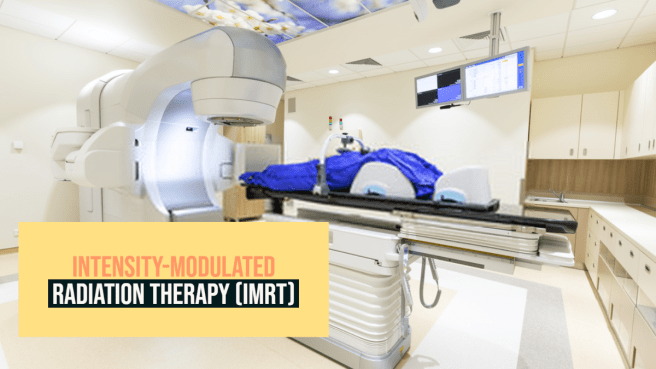
The oncologists often suggest cancer patients to go for Intensity-modulated radiation therapy (IMRT) for initial cancer treatment. The treatment involves the use of advanced computer programs to compute and deliver radiation directly to the cancer cells from different angles. It allows the cancer patient to receive higher and more effective doses of radiation. It also limits the damage to the healthy tissues and organs around the cancer cell. This added advantage of adopting the IMRT procedure increases the chances of cure and lessens the side effects.
Intensity-modulated radiation therapy (IMRT)

How does IMRT work?

Radiation therapy for cancer is often used to treat the tumor, which is located close to the critical organ and tissues. It is used to treat the following types of cancer:

Treatment procedure

To treat the tumour cells, the patient will have to undergo an imaging test called a CT scan, which will help to map the tumour cell as a 3-D image. After mapping the image, the radiation experts use the advanced computer program IMRT. It helps to locate the tumour and delivers the radiation directly to the tumour cell from different angles.

The radiation therapist will position the patient on a treatment table and will make marks to help guide themselves and deliver the radiation treatment correctly. The IMRT treatment sessions are painless.

Benefits of IMRT

IMRT is mostly used when the tumour cells are present near critical organs. Once the session begins, it directs the radiation dose to focus on the three-dimensional shape of the tumour and modulates the radiation beams into multiple smaller beams. This helps to deliver a higher dose of radiation beams to reach the tumour cell while sparing the healthy tissues around it. Throughout the course of treatment, the machines form the radiation into varying shapes.

How long do IMRT sessions generally last?

The IMRT sessions generally take between 10 to 30 minutes. These sessions are quick and do not include pain. Patients have to undergo this treatment about 5 times per week. This schedule has to be followed for 3 to 9 weeks.

Even though the treatment has been reported to be painless by many, yet anaesthesia would be given to block the awareness of the pain. Most of the patients feel no discomfort, while some have experienced weakness and nausea from the anaesthesia. Radiation therapy affects the healthy tissues around it to some extent. So, it is recommended by the oncologist to take a 2-day pause in treatment every week to help the body repair the damages. The treatment requires the patient to stay for a couple of hours in the hospital.

After the radiotherapy in Bannerghatta road, the oncologists keep a check on the impact of the treatment on the patient. The report generation is done at least once a week. If needed, the treatment plan will be adjusted by the oncologists as per the requirements of the patient.

Often people experience fatigue, emotional distress, and sensitive skin at the site of the radiation beam exposure. The oncologists have suggested that the patients have to take care for themselves by following a proper diet chart, getting extra sleep will be beneficial for the body, using lotions for skincare, and minimizing the sun exposure. As the body will recover, the patient will have to go for fewer visits to the doctor.
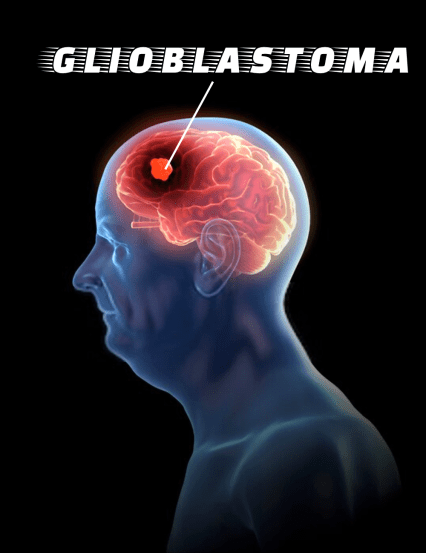

How does radiotherapy help to treat glioblastoma multiforme?

Glioblastoma multiforme also known as glioblastoma is a fast-growing glioma that develops from star-shaped glial cells which support the health of the nerve cells within the brain. It is the most aggressive cancer that begins within the brain and is the second most common brain tumour. Glioblastomas are characterized by the presence of small areas of necrotizing tissue that are surrounded by anaplastic cells. About three per one lakh people develop the disease a year. It most often begins around the age of sixty-four years and occurs more commonly in males than females. Radiation therapy for cancer is an important way of treating the disease. Advanced medical sciences treatment has been adopted in cancer hospital Bangalore and other cancer hospitals in India.

Glioblastoma -Multiforme | Brain Tumor

What is the cause of glioblastoma multiforme?

Glioblastoma cells have more genetic abnormalities than the cells of other types of astrocytoma brain cancer. Researchers believe that several different genetic mutations is involved in the development of these cancers. These genetic mutations can be caused by

  • Inherited DNA defects.
  • High-dose exposure to ionizing radiation
  • Cumulative effects of exposure to chemicals and other carcinogens

Genetic mutation can cause a cell to break away from its normal growth and death cycle; one additional cell can produce additional copies of itself that can eventually accumulate into a tumour.

Symptoms of Glioblastoma Multiforme

Symptoms vary depending on the location of the brain tumour but also may include the following:

  • Persistent Headaches
  • Double or blurred Vision
  • Vomiting
  • Loss of appetite
  • Changes in mood and personality
  • Changes in ability to think and learn
  • Speech difficulty of gradual onset
  • Localized neurological problems

Treatment

Treating glioblastoma is very difficult due to several complication factors. There is a unique barrier, termed the “blood-brain barrier” limiting the passage of molecules, from the main bloodstream into the brain. Glioblastoma is having finger-like tentacles, which extend some more length from the main tumour mass to the surroundings. Generally, it is not possible in a brain tumour to completely remove it considering other tumours in the body.

Brain Cancer Treatment in Bangalore

Surgery

Surgery is the first and foremost way to treat Glioblastoma Multiforme. On an average, the tumour has 1,00,000,000,000 cells. On surgery, it gets reduced by 98%. Even removing a portion of the tumour can reduce the signs and symptoms. Surgery to remove glioma carries risks like infection and bleeding. Tumour can not be removed from the surroundings as they are located near the sensitive areas of the brain.

Chemotherapy

Chemotherapy uses drugs to kill cancer cells. Chemotherapy can be taken orally or intravenously as required by the patient. This treatment is now standard for most cases of glioblastoma. Side-effects of chemotherapy depend on the dose and type of drugs like nausea, vomiting, hair loss, loss of appetite, fever, weakness, low immunity, skin rashes, irritation.

Radiation

Regardless of the advanced diagnostic procedure and multi-treatment which includes maximal surgical resection, followed by radiotherapy along with maintenance temozolomide chemotherapy; almost all patients experience tumour progression. Radiation uses high energy beams such as X-rays or protons to kill tumour cells.


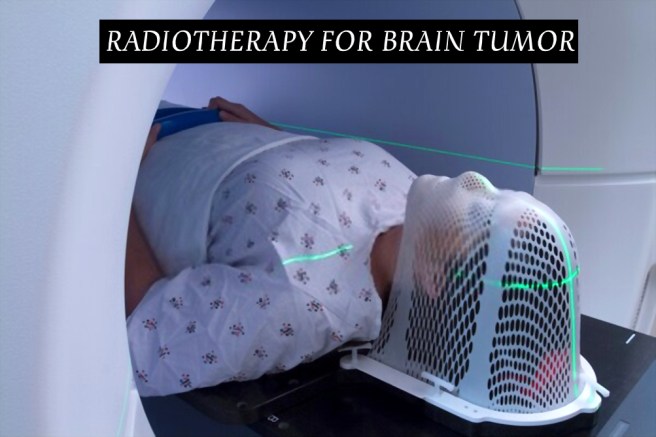
Radiotherapy for brain tumor patients

The type of glioma one has, its grade and other prognostic symptoms are considered in determining the timing and type of radiation therapy a patient may receive. There are different types of radiation therapy:

  • Using a computer system to pinpoint delivery

Techniques include intensity-modulated radiation therapy and 3D conformal radiation therapy. With the help of computers radiation therapy to the exact location of the brain tumour.

  • Using Protons

This technique is called conformal proton beam therapy. The treatment starts once the proton reaches the tumour.

  • Using multiple beams of radiation

This technique is called stereotactic radiation therapy. Every single beam of radiation is not particularly powerful, but the point where all the beams meet at the brain tumour receives a large dosage of radiation to kill the cancer cells in a very small area.

Radiotherapy includes side effects varying with the dosage and type of radiotherapy. The common side effects include fatigue, headache and scalp irritation.

What are the symptoms & treatment for uterine cancer

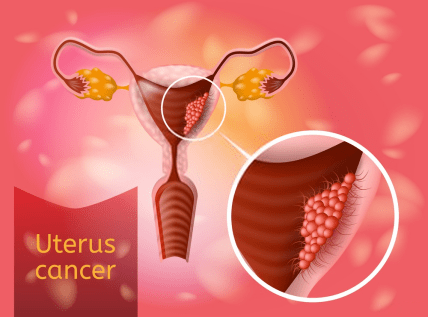
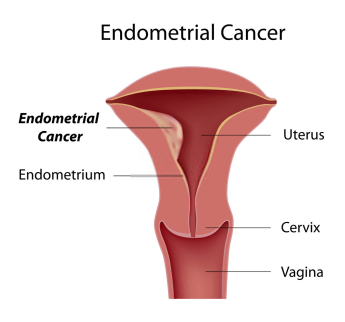
Uterine cancer is generally called Endometrial cancer in medical terms. The uterus lining, made of different layers of cells when affected by cancerous cells leads to uterine cancer. The uterus is surrounded by a tissue known as the endometrium. When cancer cells grow at this part, the condition is known as endometrial cancer.

Uterine Cancer

Endometrial cancer can be detected at a very early stage as it usually initializes with abnormal vaginal bleeding. If discovered at the early stage, uterine cancer can be cured with proper surgery and medications. If left untreated, cancer in the uterus can spread to the bladder or rectum. It also can spread to the vagina, ovaries and distant organs.

You can get cancer treatment in bangalore ( Visit: https://oncology.fortisbangalore.com/ ) from the best surgeons if you seek early medical care on experiencing the symptoms of uterine cancer.

The following are a few known symptoms of uterine cancer-

  • Abnormal vaginal bleeding
  • Bleeding after menopause
  • Bleeding between periods
  • Heavier and long-lasting periods
  • Unusual vaginal discharge which usually is accompanied by a stinking smell
  • Pain during intercourse
  • Weight loss
  • Pelvic pain or pressure
  • Bleeding and painful urination
  • Bleeding from the rectum
  • Fluid build-up in the abdomen or the legs known as ascites and lymphedema

Endometrial cancer is common in women who have experienced menopause. Women over the age of 40 are at a higher risk of acquiring uterine cancer. Here are a few risk factors that might trigger uterine cancer-

Endometrial Cancer
Endometrial Cancer
  • Women who got their first periods early
  • Late menopause
  • Obesity
  • Diabetic or High blood-sugar
  • Has a history of infertility and irregular periods
  • Presence of abnormal cells in the endometrium
  • Family history of breast or endometrial cancer

The above symptoms are generally associated with stage 1 uterine cancer treatment.

The treatment for cancer in uterus requires a multidisciplinary team of doctors. These doctors combine different types of treatment to provide overall cancer treatment. It is also recommended to visit a gynaecologist and urologist who efficiently provides cancer treatments of the female reproductive system.

Several factors determine the treatment options such as stage and type of cancer, age of the patient, the possibility of side effects, overall health and age, and also personal preference such as fertility issues. Uterine cancer can be treated with surgery, radiation therapy, chemotherapy, targeted therapy and hormone therapy. These treatments may sometimes be combined for better results depending on the stage and characteristic of cancer.

The following are two common types of surgical procedures for the treatment of uterine cancer-

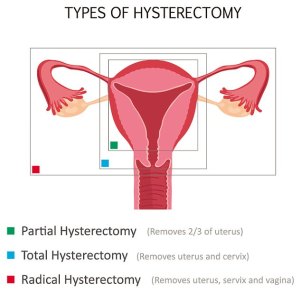
Hysterectomy

Hysterectomy

As per cancer affected area, the surgeon performs a simple hysterectomy. Here, the cervix and uterus are amputated. In the case of the advancement of the disease, a radical hysterectomy is done. Several tissues, uterus, cervix are removed.

A bilateral salpingo-oophorectomy (removal of both fallopian tubes and the ovaries) are done to the patients who have experienced menopause. Generally, the one-surgeons perform the Bilateral Salpingo-Oophorectomy in case the patient has already experienced menopause.

Removal of Lymph Node

During a hysterectomy, the doctor will remove all lymph nodes surrounding the tumour area to check if cancer has advanced further beyond the uterus. This procedure is known as sentinel lymph nodes biopsy.

The above procedures are required during stage 3 uterine cancer treatment.

Women might have concerns regarding their treatment as it may affect their sexual health and lower fertility. Pre-menopausal women must discuss with their health care team if they want to preserve their fertility and get pregnant at a later period. Moreover, it is crucial to choose an excellent hospital or clinic to get the right treatment. You can speak to a reproductive endocrinologist (REI) and also get in touch with a fertility specialist.

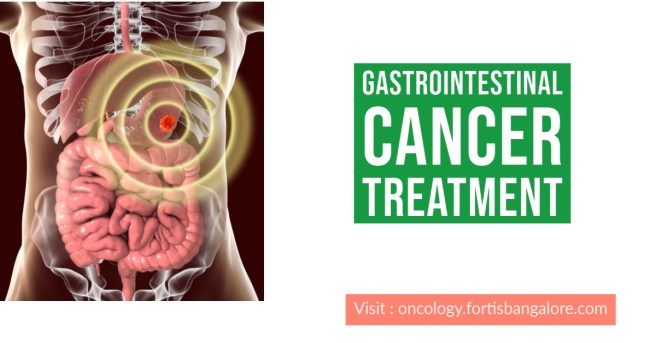
What is gastrointestinal cancer ? symptoms & treatment

Gastrointestinal cancer is a general form of some cancers that is harmful to the digestive system. Any part of the digestive system like liver, pancreas, stomach, oesophagus, small intestine, gallbladder and biliary tract, bowel and anus if suffering from the malignancy of the cells then generally its called gastrointestinal cancer.

gastrointestinal cancer

Every year most of the people suffer from cancer of any of the digestive part. And every year a significant number of people die from this cancer as well.

Here some brief descriptions of a few kinds of GI cancer.

Oesophageal cancer

Oesophageal cancer usually happens in the tissues of oesophagus cells. The tube that conveys foods from mouth to stomach gets affected by this cancer. The impact can occur in any part of the organ, including different cell also.

Stomach cancer

Stomach cancer usually occurs in the cells of the stomach wall. These cells become malignant and grow abnormally without any control. The most usual form of stomach cancer is gastric adenocarcinoma. This occurs at the most inner layer of the human stomach. There is a gland that contains a fluid that helps in digestion by dividing the food.

Liver cancer

The liver is the second largest glands of the body and a major digestive organ. The liver gets affected in two way. The primary situation is if the cells of the liver itself get malignant, and the second situation is if some other part of the body gets affected by cancer and later it affects the liver.

Pancreatic cancer

Pancreatic cancer occurs when the pancreatic cell becomes malignant. Mostly exocrine cells get affected, which are pancreatic cells that help in digestion of food.

Symptoms

Unlike these types of GI cancer, there are some other GI cancer also, which are mentioned earlier have several impacts on human’s health. Here are some symptoms of different kinds of GI cancer.

Symptoms of oesophageal cancer

  • Swallowing with pain.
  • Major weight loss.
  • Extream fatigue problem.
  • Blood vomiting.
  • Heart burning.
  • Cough.

Symptoms of Stomach cancer

  • Lots of digestion problem like constipation, vomiting, diarrhoea.
  • Abdomen swelling.
  • Vomiting with blood.
  • Burping.
  • Bloating.
  • Heartburn.
  • Weight loss.

Symptoms of liver cancer

  • Loss of appetite and weight loss.
  • Tiredness and weakness.
  • Upper right side pain of abdomen.
  • Yellowish skin.
  • Fever

Symptoms of pancreatic cancer

  • Skin itching, jaundice.
  • Stomach, back and upper abdomen pain.
  • Unbelievable weight loss.
  • Diabetes.
  • Major constipation and diarrhoea.

Symptoms of small bowel cancer

  • Swelling, pain and cramps in the middle of the abdomen.
  • Lowering the number of red blood cells.
  • Major weight loss.
  • Vomiting

Symptoms of anal cancer

  • Bleeding with stool.
  • Secretion of mucus from the anus.
  • Itching, pain and irritation around the anus.
  • Abnormal bowel movement.
  • A lump occurs near the edge of the anus.
  • Rectum pain.

Treatment

There are also other kinds of gastrointestinal cancer that occurs in the upper and lower part of the body. Prevention is required to stop the other cells getting affected by the malignant cells. So some important treatment strategies for the GI cancer are

  • In the case of stomach cancer depending upon the affected area, gastrointestinal cancer surgery is preferable for the initial stage of cancer. In the case of major and advance stomach cancer, chemotherapy and radiotherapy are also recommended by the doctors.
  • Surgery is also a primary solution for pancreatic cancer, depending on the age of the patient, size of cancer and the affected area of the body. Surgery removes the malignant pancreatic cell and prevents it from spreading further. If the cancer is advanced, then surgery won’t be sufficient. Radiotherapy or chemotherapy is much needed in that case.

Unlike these two examples, it is applicable to all kind of GI cancer for prevention. The proper gastrointestinal cancer treatment is always necessary for every GI cancer patient to get rid of it completely. Unlike other countries in the world, the rate of GI cancers has raised predominantly due to the change in the lifestyle. People consume lots of alcohol, tobacco and unhealthy foods. In India cancer hospital in Bangalore gives the proper and best treatment to the cancer suffering patient with excellent medical and doctor facility.

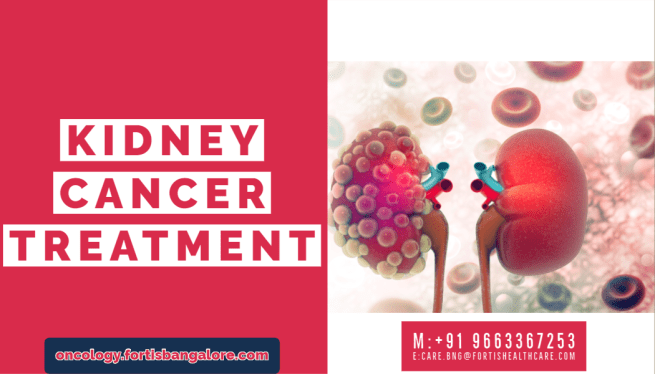
What is kidney cancer? What are the symptoms and treatment?

A type of disease that makes kidney cells malignant is Kidney Cancer. When the kidney gets affected with cancer, its cells start getting out of control and form a tumour. Tubules are those part which gets affected by cancer first. Another term for Kidney cancer is Renal cell carcinoma. There are many types of renal cell carcinoma the most common types are called clear cell, chromophobe, and papillary renal cell carcinoma.

Usually, kidney cancer does not spread outside of the kidney, but sometimes it can spread to the other part of the body such as the brain, lungs and bones. Since the changes occur deep inside the body, that is why small kidney tumours may not be seen or felt in the initial stage. CT scans, MRI and biopsy, are needed to spot it out at the initial stage. These tests will also help to figure out if cancer has spread only within the kidney or to the other part of the body. There are some of the best cancer hospitals in Bangalore, famous for Kidney cancer treatment.

Kidney Cancer: Signs and Symptoms

  • Blood will be visible in urine, which called hematuria.
  • One-sided pain on the lower back.
  • An existence of lump on either side of the lower back.
  • Feeling tired all the time.
  • Constantly losing weight without dieting.
  • Fever which is not for infection and stays for a longer time.
  • Anaemia

Kidney Cancer Treatment

Kidney Cancer: Treatment 

These symptoms and signs provides an indication of renal cancer. The more critical cause of kidney cancer is benign diseases. Blood in the urine usually comes due to infection in urinary or bladder tract or a stone in the kidney. Based on these symptoms, few tests could be performed, and according to these test reports, it could be known that whether the cancer is limited to the kidney or the entire body has get affected. Also, treatments of kidney cancer depend on that. Here is a list of some of the primary treatment for kidney cancer

Watch the below video :

Surgical Procedure

Surgery is performed to separate the affected part of the kidney or the whole organ. Basically two surgeries are performed during this process. First one is to remove the affected part known as partial nephrectomy, and another one is performed to separate the entire organ from the body, known as radical nephrectomy.

Medications

Biological therapies include medicines that help to prevent cancer from spreading inside the body. Some such therapies are

  • Pazopanib
  • Sunitinib
  • Cabozantinib
  • Everolimus
  • Tivozanib
  • Everolimus
  • Nivolumab

People with advanced kidney cancer is recommended a treatment called Lenvatinib, along with everolimus. Embolisation is a procedure to disconnect the blood supply to cancerous cells. During embolisation, the surgeon uses a small tube called a catheter into a blood vessel and then connect the hose to the blood vessel supplying the tumour.

Nowadays, radiotherapy is frequently used as a kidney cancer treatment to destroy the cancerous cells and also to protect the other cells from being affected. The procedure is performed by a large machine, radiating a perfectly aimed beam to the affected cells. It may be recommended if someone has advanced kidney cancer and if it has spread to the other part of the body.

Surgery remains the best customary options for all kidney cancer patients. Other options may be taken as primary or secondary options when surgery is cant be permitted because of the other health conditions of the patients as kidney cancer is one of the severe health issues for a human being, so it definitely demands an effective treatment. In this case, the best hospital for kidney cancer treatment is Fortis Hospital in Bangalore.


What is the prognosis and life expectancy of lung cancer?

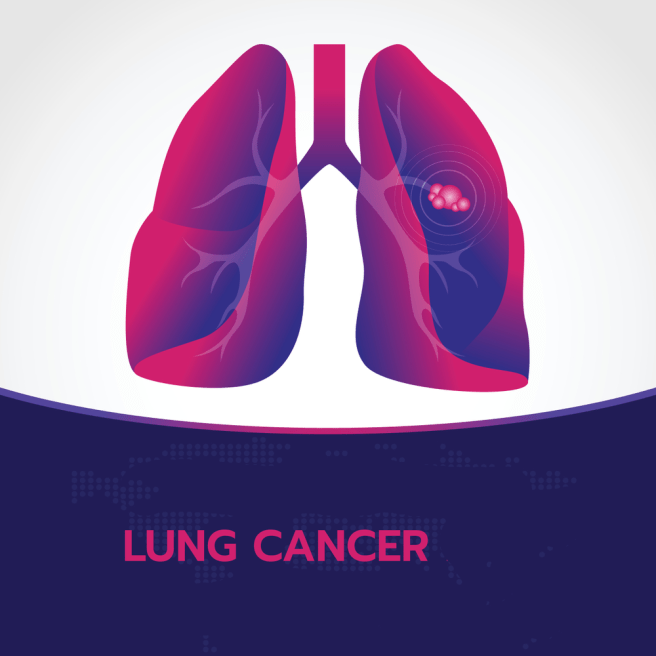
As the name suggests, lungs cancer is the type of cancer associated with the lungs. Most of the time the cancer cells forms in the outer surface of the lungs, which are known as adenocarcinomas. Sometimes it can spread from the passage of the respiratory tract. However, in both cases, the symptoms can be the same. Usually, doctors can get an idea about the stage of cancer after doing a CT scan. Fortis Cancer Institute is one the Leading Cancer treatment hospital in bangalore has the best team of cancer specialist , treats all types of cancer related problems.

Lungs Cancer

The prognosis of the lungs cancer

The patient may be having a worsening cough, which in some cases, result in phlegm coming out along with the blood. Some of the time the patient may get chest pain while breathing. The patient who is suffering from lungs cancer often faces weakness. The doctor may prescribe a quick weight check-up so as to measure the severity of the disease. Moreover, patients that are suffering from lungs cancer may have pneumonia as the cancer cells affect the respiratory tract quickly.

Diagnosis of Lungs cancer

If the doctor has some doubt, he can prescribe the patient to go through several tests. However, lungs cancer screening is generally offered by the doctor for the people who are older than 55 years and have a habit of smoking. The primary test to diagnose lungs cancer is imagining test. Many times, the small lesions in the lungs are not visible in the X-rays test then the doctor may advise for a CT scan. The doctor can also go for a biopsy test if he sees some abnormal growth in the lungs.

The life expectancy of the lungs cancer

Once cancer cells enter the bloodstream and lymph nodes, it is spread quickly in almost all parts of the body. There can be a better picture of treatment if the cancer is being diagnosed before it is spread to other body parts. Factors such as age, health, lifestyle are important to respond better to lungs cancer treatment. Most of the time, the early symptoms are overlooked. The survival picture is difficult to understand as a whole. The best guide can be an expert doctor. If the patient is under medication, it is seen that he can survive up to 24 months. Whereas, life expectancy without medication is only two to four months. Moreover, life expectancy completely varies upon the stage of cancer. If the cancer is being diagnosed at stage 4, so normally the chances of living more than 4 years are almost 1%, whereas the chances to live longer becomes higher to almost 45% in case of stage 1 diagnosed lungs cancer.

Conclusion

Lungs cancer whether non-smaller cell or smaller cell type, both can show some primary symptoms which are most of the time overlooked by the patient. The statistics show that lungs cancer is always being diagnosed at later stages. The chances of responding to medical treatment do depend on the patient’s lifestyle. There are more chances that a patient who is suffering from lungs cancer will have higher life expectancy if he is diagnosed at stage 1 but chances are almost negligible in case of stage 4 diagnosed lungs cancer. In today’s world, there are many lungs cancer treatment hospitals in bangalore which are now offering cost-efficient medical check-ups.

How da Vinci robotic surgery for cancer treatment is better than traditional surgery?

Many cancer patients need to undergo surgery during the process of their treatment. This surgery had been only manual until the late 1990s. After that, doctors all around the world, including oncologists at cancer hospital Bangalore, have increasingly depended upon da Vinci robotic surgery for removing tumors which are difficult to reach manually. This method reduces the time taken for surgery and diminish the side effects that are associated with traditional surgery.

What exactly is da Vinci robotic surgery?

Robotic surgery sounds like a robot will perform the operation, but it is not so. It is rather a robot-assisted surgery, in which doctors carry out the complex procedures in the surgery using robotic tools― with greater flexibility, precision, and control than they can in traditional techniques.

da vinci robotic surgery in India

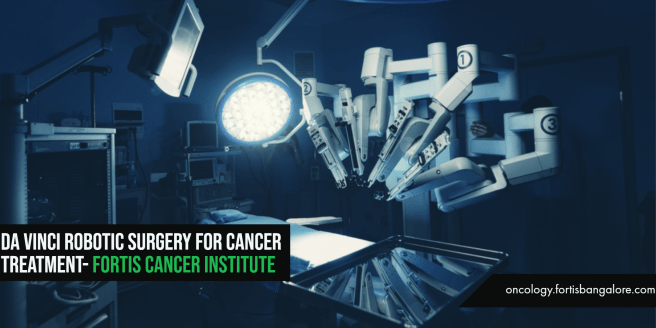
The da Vinci robotic surgery system mainly includes a camera arm and other mechanical arms which have surgical instruments connected to them. Generally, the arms have a laparoscope, while very small surgical instruments (that can fit into incisions less than 1 inch) are attached to other arms.

Robotic surgery technique is mostly used in minimally invasive surgeries where surgical procedures are performed through tiny incisions. Sometimes, robotic surgery also aids some conventional open surgeries.

These robotic arms are remotely controlled by a surgeon, who sits nearby and looks at a computer console which displays a magnified, high-definition and 3D view of the site of the tumor. He or she operates the arms using a joystick which imitates the wrist and hand movements of the surgeon and leads and assists the other surgeons involved in the operation.

Advantages of robotic surgery

Da Vinci robotic surgery system is available in cancer hospital Bangalore, and is not only recommended by doctors but is also sought after by cancer patients, because of its advantages and benefits over the traditional surgery system.

  1. Precision

The main advantage of robotic surgery is its capacity of enhanced precision, greater flexibility, and control during the surgery. Doctors have remarked that using the robotic surgery system, it has become easier to vividly see the site of the operation than it was in the case of traditional surgical procedure. Hence it has also become easier to carry out delicate, sensitive and complex procedures with far greater ease.

  1. Reach difficult locations

In addition to this, with the help of robotic arms, surgeons have been able to reach obscure parts of the body during surgery, which could not be reached manually. The robotic arms have greater dexterity and a greater range of movements which help doctors to carry out operations with increased precision.

  1. Safe surgery

Minimally invasive surgeries would not have been possible in most cases unless da Vinci robotic surgery system was employed. Hence, robotic surgery enables doctors and surgeons to carry out minimally invasive surgeries, which have a lot of benefits of their own. These benefits include less complications and infections post-surgery. Since the incision made is very small, the chances of complications and infections decrease and the patient has a better surgical experience. Also, minimally invasive surgery using a robotic system involves less pain than conventional open surgery procedures, and also lesser blood loss.

  1. Quicker recovery

One of the most impressive benefits of minimally invasive surgery using a robotic system that attracts cancer patients is the quicker recovery time involved. In these surgeries, the patient recovers quicker than in traditional open surgeries and thus has to experience a lesser hospital stay. Also, the scars that appear as a result of the surgery are much smaller, and less noticeable, too.

Thus, in general, da Vinci robotic surgery for cancer treatment is better than traditional open surgery in a number of aforementioned ways. However, before you decide to undergo robotic surgery it is essential that you find a reputed and experienced surgeon at cancer hospital in  Bangalore and see if your case is suitable for robotic surgery.

FAQ,S :

[1]10 Facts about Robotic Surgery for Cancer Treatment


What is Lymphome? How bone marrow transplant helps in treating Lymphome?

Lymphoma is a form of cancer that affects that immune system directly. Lymphocytes, the cells responsible for fighting infections, is directly affected by this condition.

Cancer cells are known to grow out of control, multiply and cause severe damage to other body parts, whilst also spreading to organs other than the origin of the cancer cell itself.

Lymphoma is a case not very different from this either. Lymphocytes can change and grow out of control when you are diagnosed with lymphoma. It can affect the bone marrow in patients, and it is important to consult a doctor regarding bone marrow transplantation.

lymphoma

There are mainly two types of this dreaded condition, non-Hodgkin and Hodgkin. Among these two, non-Hodgkin is the most common type that is diagnosed among patients with the condition. The two types also involve a very different type of cells. It is important to realize that if a patient experiences different symptoms then he must consult a doctor immediately.

You can go to a bone marrow transplantation hospital in Bangalore to seek treatment for this particular condition to help treat lymphoma.

Common symptoms experienced by most patients:

 Every patient will experience different symptoms and different levels of lymphoma growth rate. They may also respond differently to a treatment. Thus, it is of utmost importance for the patient to address his/her symptoms soon as they begin to arise. Being lethargic about these symptoms might lead to drastic results in the future if left unattended for long period of time.

The common mistake that most patients diagnosed with lymphoma make is that they do not report to a doctor immediately when they feel that something is wrong. They are usually indifferent to the various symptoms that may be prompting them to visit a doctor and wait till the absolute last minute to get themselves checked, by which time the damage is severe.

Listed below are some of the most common symptoms that one is likely to experience with lymphoma:

  • Continuous feeling of tiredness/fatigue even after ample rest
  • Fever
  • Night sweats that were usually absent earlier
  • Unexplained loss of weight even without dieting or rigorous exercise
  • Painless swelling of lymph nodes in the neck, armpits or groin

There could be many other symptoms as well apart from the common ones listed above and it is important to visit a doctor/bone marrow transplantation hospital in Bangalore if you feel that these symptoms are fairly persistent than normal.

How bone marrow transplant helps in treating lymphoma?

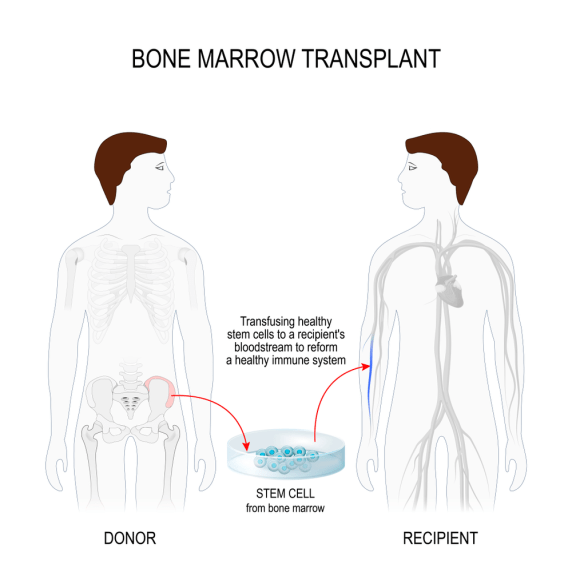
You may think of bone marrow transplant as being a treatment after a high dose of chemotherapy that can help in treating lymphoma. Bone marrow is the spongy material that fills the bones in our bodies, which is comprised of stem cells. These stem cells are early blood cells which develop into three different types.

bone marrow transplant helps in treating Lymphome

We have all heard about chemotherapy and how it may help in killing the cancer cells present in the body to help the patient regain immunity and whatnot. But, after a high dose of chemotherapy, stem cells that are present in the bone marrow may sometimes get killed in the process as well. Therefore, before chemotherapy, the stem cells/bone marrow samples of the patient are collected. If not from a patient, they are collected from a donor.

This way, after chemotherapy has been undergone by the patient, the stem cells/bone marrow samples that were collected earlier are inserted back into a vein via a dip. This helps the patient regain the stem cells and make their blood cells they need again. Bone marrow transplantation thus helps in the treatment of lymphoma in this manner.

To conclude, it is very crucial to identify this condition in the early stage. During the uprising of this condition, it can be treated and cured. But if it’s too late, then the damage will to severe to cure it.

Procedure & benefits of Bone Marrow Transplant

A bone marrow transplant is a special medical therapy that is performed to treat patients with cancers and other diseases by replacing their impaired or damaged bone marrow with a functional one.

The therapy comprises of transplantation of blood stem cells that travel to the bone marrow, where they generate new blood cells and assists in the growth of new marrow.A bone marrow transplant, therefore, helps a patient’s body to produce an adequate amount of white blood cells, red blood cells, and platelets to prevent infections.

India has one of the best bone marrow transplant hospitals with the highest quality treatment facilities especially in the various Centers for bone marrow transplant Hospital in Bangalore that caters to the needs of patients suffering from diseases.

bone marrow transplant in bangalore

Types of a bone marrow transplant

Depending on who the donor is, there are different types of bone marrow transplants: –

  • Autologous Bone Marrow Transplant

In this type of transplant, the patient himself or herself is the donor. It generally involves collecting the patient’s blood cells before starting a damaging therapy to cells such as radiation and chemotherapy.

After completion of the treatment, the cells are returned to the patient’s body. This treatment procedure can only be used if the patient has a healthy bone marrow.

  • Allogeneic Bone Marrow Transplant

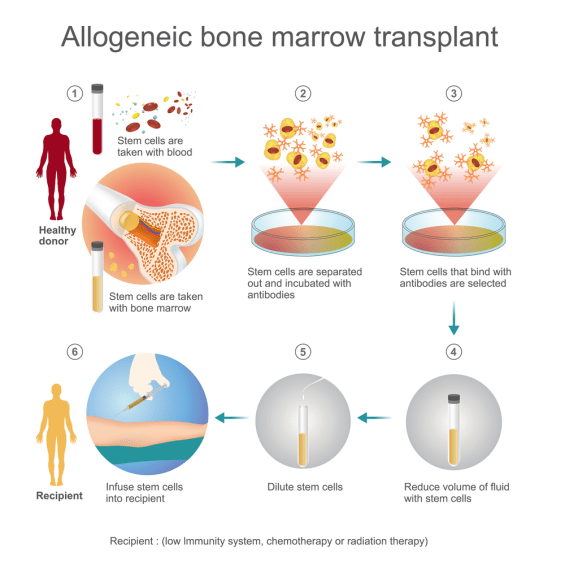
The stem cells are either harvested by bone marrow or apheresis from a genetically similar donor such as the patient’s brother or sister.

Allogeneic Bone Marrow Transplant

A donor registry can also be used to find genetic matches. An allogeneic bone marrow transplant will yield a successful result if the donor cells closely match with the patient’s cells.

The Procedure for Bone Marrow Transplant

  • If the patient is undergoing an allogeneic transplant, then the doctor will collect the bone marrow cells one or two days prior to the procedure.
  • Cells are primarily harvested in two ways. A needle is used to harvest the cells from both the hip bones.
  • Leukapheresis– During this process, 5 shots are given to the patient in order to move the bone marrow into the bloodstream. A central venous catheter needle or a port is fitted on the upper right region of the patient’s chest so that the fluid comprising the new stem cells flows straight into the recipient’s heart.
  • These stem cells spread throughout the patient’s body. They surge through the blood into the bone marrow, where they get established and start developing.
  • The port of the needle is left in the chest region, as this procedure takes a few days to get completed.
  • Multiple sessions are conducted which provide the stem cells with a chance to incorporate themselves into the patient’s body. This process is also known as engraftment
  • The port can even be used to obtain liquids, nutrients and blood transfusion.
  • Depending on how well the patient handles the treatment, he/she may be required to take certain medications to prevent any infections as well as to help the new marrow develop.

The benefits of Bone Marrow Transplant

Nowadays, availing of the benefits of this procedure has become more convenient due to a wide range of affordable hospitals for bone marrow transplant in Bangalore. The multiple advantages offered are: –

  • It replaces the diseased and damaged bone marrow with a healthy one.
  • It helps in the renewal of the immune system to fight off existing leukemia and other cancers that were not destroyed through radiation or chemotherapy.
  • It helps to avoid the damaging effects of genetic diseases.
  • It revives the general functioning of the bone marrow through high doses of radiation or chemotherapy to cure a malignancy.

With a number of Best bone marrow transplant hospitals all over India, patients can now get the benefits of cost-effective treatment and care for cancer, chronic diseases, and various other infections.


Flash News :

Best cancer hospital in bangalore

5 stages of breast cancer you must be aware of!

Cancer is a dreadful disease that involves abnormal cell growth with the possibility to seize or spread in other parts of the body. While there are a number of cancerous cells that affect a different part of the body of an individual, breast cancer is most common among women. Breast cancer causes the thickening and lumping of the breasts and also hampers the skin and nipples. It happens mainly due to genetic factors but lifestyle habits are also responsible. Every tumour in the breast is not carcinogenic but it is always better to get it checked. Breast cancer Treatment hospital in Bangalore will help you identify the lump and get the biopsy done. The stages of cancer are determined by the size of the tumour and its spreading across the lymph nodes and other body parts.

Stage 0

In this stage, the cancerous cells do not spread beyond the breast where it started growing. It is a non-invasive form of breast cancer. Stage zero breast cancer is also known as ductal carcinoma in situ (DCIS), which means cancer growth remains in the milk ducts only. Early diagnosis in stage 0 breast cancer will prevent the spreading of cancerous growth in the body making cancer a noninvasive one. Fortis Hospital is one of the best cancer treatment hospital in bangalore with highly experienced team of cancer specialists.

Stage 1

The person having a stage 1 breast cancer means he has 2 centimetres (cm) or less sized tumour or clusters of cancerous cells of 2 millimetres (mm) diameter or both developing in the lymph nodes. The microscopic invasion may take place when cancerous growth has spread outside the milk duct lining or lobules. It would be classified as stage 1 breast cancer if the size of the cancer cells does not exceed 1mm.

Stage 2

Stage 2 breast cancer is invasive cancer where the size of the tumour lies between 2-5 cm in diameter or cancerous masses of 2 mm diameter spreading across the axillary lymph nodes near the breastbone.

Stage 3

In stage 3 breast cancer, the person will have a tumour of more than 5 cm in diameter along with a cluster of breast cancer cells in lymph nodes of  0.2–2 mm in diameter. The tumour of any size may spread along the chest wall or skin of the breast, which causes swelling or ulcer. If cancer spreads in the skin of the breast, it will be classified as inflammatory breast cancer in which the skin turns red, swollen and unnaturally warm.

Stage 4

The person having stage 4 breast cancer will not only have tumour or clusters of cancerous cells spreading across the adjacent lymph nodes, but also across distant lymph nodes and organs of the body. It is the most advanced stage of breast cancer. This form of breast cancer maybe recurrent, which means it has spread to other body parts.

Treatment of breast cancer

Stage 0 and 1 of breast cancers are a noninvasive form of cancer, which means microscopic instruments or tools are not inserted in the body. From stage 2 onwards it becomes an invasive one. In this stage, Breast cancer treatment becomes necessary in order to remove the cancerous growth from the body. The treatment involves Surgery, Chemotherapy, Radiation therapy, Targeted Therapy, Immunotherapy and Hormonal Therapy.

Frequently Asked Questions

chemotheraphy in bangalore

radiation therapy in bangalore