5 things to know about pancreatic cancer in 2020 ?

Pancreatic cancer is the leading cause of deaths related to cancer. It is a deadly disease that spreads silently. The location of the pancreas is behind the stomach and in front of the spine. Hormones and digestive juices are produced by the pancreas to regulate blood sugar. Having a detailed knowledge of pancreatic cancer will give you an insight into the signs and risks of the disease.
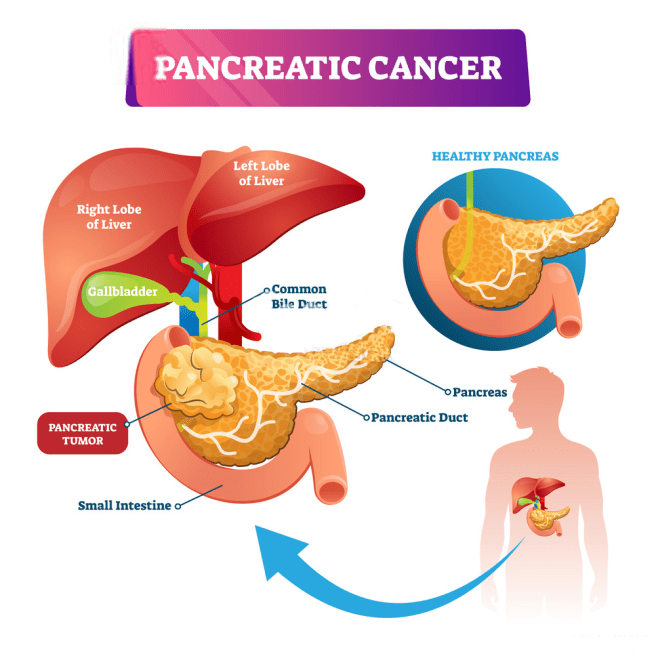
Pancreatic Cancer

Pancreatic cancer symptoms

There is no early detection method for pancreatic cancer. Patients can get surgery done and control the disease for a long time if the cancer is identified early. But generally, surgery is not an option if the cancer is detected late. As pancreatic cancer grows, it tends to be painless. By the time the symptoms present itself, cancer becomes advanced. Symptoms of pancreatic cancer include –

  • Jaundice
  • Fatigue
  • Depression
  • Loss of appetite
  • Unexplained weight loss
  • Pain in the middle or upper abdomen and back
  • Blood clots

Risk factors of pancreatic cancer

Anything that increases the risk of developing a disease is a risk factor. The following are the risk factors due to which you might develop pancreatic cancer :

  • Obesity
  • Smoking
  • Long-standing diabetes
  • Inflammation of the pancreas
  • Hereditary pancreatitis
  • Lack of exercise

Diagnosis – Pancreatic cancer

Diagnosis of pancreatic cancer usually happens when a person comes to the doctor after experiencing the symptoms for months. After performing a health exam and examining your health history, the doctor may ask you to get several tests done in order to determine the extent of the condition and the cause of the problem. The following tests are recommended –

  • MRI
  • CT Scan
  • Biopsy
  • Laparoscopy
  • Endoscopic Ultrasound
  • Positron Emission Tomography

Pancreatic Cancer treatment –

The treatment of pancreatic cancer depends on the basis of how far it has spread and its stage. After imaging studies, an individual’s physical state and surgical findings, doctors determine if the treatment needs to be performed. Gastrointestinal cancer treatment includes surgery, radiation therapy and chemotherapy. To treat cancer, the surgeon may perform gastrointestinal cancer surgery.
Pancreatic Cancer Treatment (2)

Stages of pancreatic cancer –

The stage of cancer determines the extent of the spread of cancer. Treatment is done depending on the stage of cancer. Following are the stages of pancreatic cancer :

  • Stage 0 – In this stage, cancer has not spread outside the pancreas or to distant sites.
  • Stage 1 – The cancer is limited to the pancreas and is no larger than 0.8 inch in stage IA or is larger than 2 cm but not more than 4 cm in stage IB.
  • Stage 2 – In this stage, the cancer is bigger than 4 cm and is either confined to the pancreas or cancer has outgrown the pancreas in the local spread.
  • Stage 3 – The tumour has spread widely and it may have expanded to the nerves or nearby blood vessels but has not spread to distant sites.
  • Stage 4 – Cancer has spread to distant sites such as lungs, bones and liver.

Prevention of pancreatic cancer –

You can take preventive measures to cure cancer.

  • Stop smoking – The survival rate of an individual improves if they quit smoking after a cancer diagnosis. You can reap huge benefits to your mental and physical health by quitting smoking.
  • Maintain a healthy diet – A diet that includes fruits, vegetables and grains will help you to reduce the risk of pancreatic cancer.
  • Maintain a healthy weight – Work to control your weight if you are obese. Doing exercise daily will help you lose weight.

The risk of pancreatic cancer increases as an individual grows older. Pancreatic cancer patients are generally older than 55 years. However, whether you are a caregiver or a patient, you must have a good knowledge when it comes to cancer.
What is gastrointestinal cancer ? symptoms & treatment

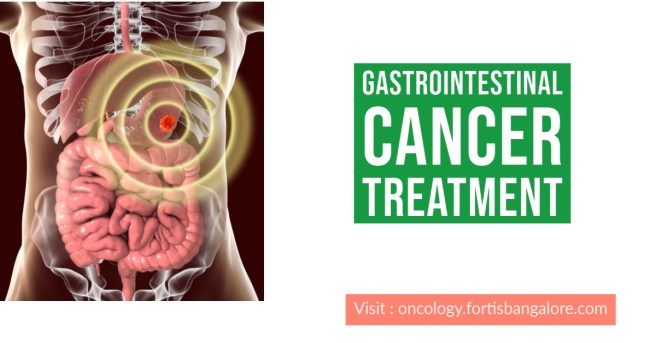
Gastrointestinal cancer is a general form of some cancers that is harmful to the digestive system. Any part of the digestive system like liver, pancreas, stomach, oesophagus, small intestine, gallbladder and biliary tract, bowel and anus if suffering from the malignancy of the cells then generally its called gastrointestinal cancer.

gastrointestinal cancer

Every year most of the people suffer from cancer of any of the digestive part. And every year a significant number of people die from this cancer as well.

Here some brief descriptions of a few kinds of GI cancer.

Oesophageal cancer

Oesophageal cancer usually happens in the tissues of oesophagus cells. The tube that conveys foods from mouth to stomach gets affected by this cancer. The impact can occur in any part of the organ, including different cell also.

Stomach cancer

Stomach cancer usually occurs in the cells of the stomach wall. These cells become malignant and grow abnormally without any control. The most usual form of stomach cancer is gastric adenocarcinoma. This occurs at the most inner layer of the human stomach. There is a gland that contains a fluid that helps in digestion by dividing the food.

Liver cancer

The liver is the second largest glands of the body and a major digestive organ. The liver gets affected in two way. The primary situation is if the cells of the liver itself get malignant, and the second situation is if some other part of the body gets affected by cancer and later it affects the liver.

Pancreatic cancer

Pancreatic cancer occurs when the pancreatic cell becomes malignant. Mostly exocrine cells get affected, which are pancreatic cells that help in digestion of food.

Symptoms

Unlike these types of GI cancer, there are some other GI cancer also, which are mentioned earlier have several impacts on human’s health. Here are some symptoms of different kinds of GI cancer.

Symptoms of oesophageal cancer

  • Swallowing with pain.
  • Major weight loss.
  • Extream fatigue problem.
  • Blood vomiting.
  • Heart burning.
  • Cough.

Symptoms of Stomach cancer

  • Lots of digestion problem like constipation, vomiting, diarrhoea.
  • Abdomen swelling.
  • Vomiting with blood.
  • Burping.
  • Bloating.
  • Heartburn.
  • Weight loss.

Symptoms of liver cancer

  • Loss of appetite and weight loss.
  • Tiredness and weakness.
  • Upper right side pain of abdomen.
  • Yellowish skin.
  • Fever

Symptoms of pancreatic cancer

  • Skin itching, jaundice.
  • Stomach, back and upper abdomen pain.
  • Unbelievable weight loss.
  • Diabetes.
  • Major constipation and diarrhoea.

Symptoms of small bowel cancer

  • Swelling, pain and cramps in the middle of the abdomen.
  • Lowering the number of red blood cells.
  • Major weight loss.
  • Vomiting

Symptoms of anal cancer

  • Bleeding with stool.
  • Secretion of mucus from the anus.
  • Itching, pain and irritation around the anus.
  • Abnormal bowel movement.
  • A lump occurs near the edge of the anus.
  • Rectum pain.

Treatment

There are also other kinds of gastrointestinal cancer that occurs in the upper and lower part of the body. Prevention is required to stop the other cells getting affected by the malignant cells. So some important treatment strategies for the GI cancer are

  • In the case of stomach cancer depending upon the affected area, gastrointestinal cancer surgery is preferable for the initial stage of cancer. In the case of major and advance stomach cancer, chemotherapy and radiotherapy are also recommended by the doctors.
  • Surgery is also a primary solution for pancreatic cancer, depending on the age of the patient, size of cancer and the affected area of the body. Surgery removes the malignant pancreatic cell and prevents it from spreading further. If the cancer is advanced, then surgery won’t be sufficient. Radiotherapy or chemotherapy is much needed in that case.

Unlike these two examples, it is applicable to all kind of GI cancer for prevention. The proper gastrointestinal cancer treatment is always necessary for every GI cancer patient to get rid of it completely. Unlike other countries in the world, the rate of GI cancers has raised predominantly due to the change in the lifestyle. People consume lots of alcohol, tobacco and unhealthy foods. In India cancer hospital in Bangalore gives the proper and best treatment to the cancer suffering patient with excellent medical and doctor facility.