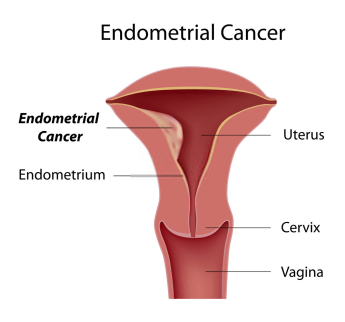
Uterine cancer is generally called Endometrial cancer in medical terms. The uterus lining, made of different layers of cells when affected by cancerous cells leads to uterine cancer. The uterus is surrounded by a tissue known as the endometrium. When cancer cells grow at this part, the condition is known as endometrial cancer.
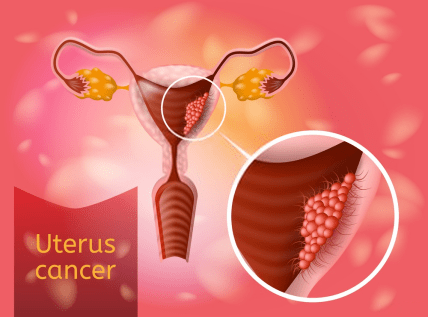
Endometrial cancer can be detected at a very early stage as it usually initializes with abnormal vaginal bleeding. If discovered at the early stage, uterine cancer can be cured with proper surgery and medications. If left untreated, cancer in the uterus can spread to the bladder or rectum. It also can spread to the vagina, ovaries and distant organs.
You can get cancer treatment in bangalore ( Visit: https://oncology.fortisbangalore.com/ ) from the best surgeons if you seek early medical care on experiencing the symptoms of uterine cancer.
The following are a few known symptoms of uterine cancer-
- Abnormal vaginal bleeding
- Bleeding after menopause
- Bleeding between periods
- Heavier and long-lasting periods
- Unusual vaginal discharge which usually is accompanied by a stinking smell
- Pain during intercourse
- Weight loss
- Pelvic pain or pressure
- Bleeding and painful urination
- Bleeding from the rectum
- Fluid build-up in the abdomen or the legs known as ascites and lymphedema
Endometrial cancer is common in women who have experienced menopause. Women over the age of 40 are at a higher risk of acquiring uterine cancer. Here are a few risk factors that might trigger uterine cancer-
- Women who got their first periods early
- Late menopause
- Obesity
- Diabetic or High blood-sugar
- Has a history of infertility and irregular periods
- Presence of abnormal cells in the endometrium
- Family history of breast or endometrial cancer
The above symptoms are generally associated with stage 1 uterine cancer treatment.
The treatment for cancer in uterus requires a multidisciplinary team of doctors. These doctors combine different types of treatment to provide overall cancer treatment. It is also recommended to visit a gynaecologist and urologist who efficiently provides cancer treatments of the female reproductive system.
Several factors determine the treatment options such as stage and type of cancer, age of the patient, the possibility of side effects, overall health and age, and also personal preference such as fertility issues. Uterine cancer can be treated with surgery, radiation therapy, chemotherapy, targeted therapy and hormone therapy. These treatments may sometimes be combined for better results depending on the stage and characteristic of cancer.
The following are two common types of surgical procedures for the treatment of uterine cancer-
Hysterectomy
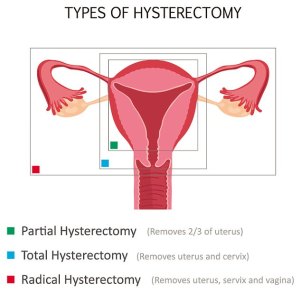
As per cancer affected area, the surgeon performs a simple hysterectomy. Here, the cervix and uterus are amputated. In the case of the advancement of the disease, a radical hysterectomy is done. Several tissues, uterus, cervix are removed.
A bilateral salpingo-oophorectomy (removal of both fallopian tubes and the ovaries) are done to the patients who have experienced menopause. Generally, the one-surgeons perform the Bilateral Salpingo-Oophorectomy in case the patient has already experienced menopause.
Removal of Lymph Node
During a hysterectomy, the doctor will remove all lymph nodes surrounding the tumour area to check if cancer has advanced further beyond the uterus. This procedure is known as sentinel lymph nodes biopsy.
The above procedures are required during stage 3 uterine cancer treatment.
Women might have concerns regarding their treatment as it may affect their sexual health and lower fertility. Pre-menopausal women must discuss with their health care team if they want to preserve their fertility and get pregnant at a later period. Moreover, it is crucial to choose an excellent hospital or clinic to get the right treatment. You can speak to a reproductive endocrinologist (REI) and also get in touch with a fertility specialist.
 CancerCareNews