How does IMRT radiation work? how long sessions generally last.

The patients get worried and overwhelmed at the beginning of cancer treatment. Acknowledging the treatment procedure and its benefits will help to ease the process. The information provided will boost the confidence on the treatment.

The oncologists often suggest cancer patients to go for Intensity-modulated radiation therapy (IMRT) for initial cancer treatment. The treatment involves the use of advanced computer programs to compute and deliver radiation directly to the cancer cells from different angles. It allows the cancer patient to receive higher and more effective doses of radiation. It also limits the damage to the healthy tissues and organs around the cancer cell. This added advantage of adopting the IMRT procedure increases the chances of cure and lessens the side effects.
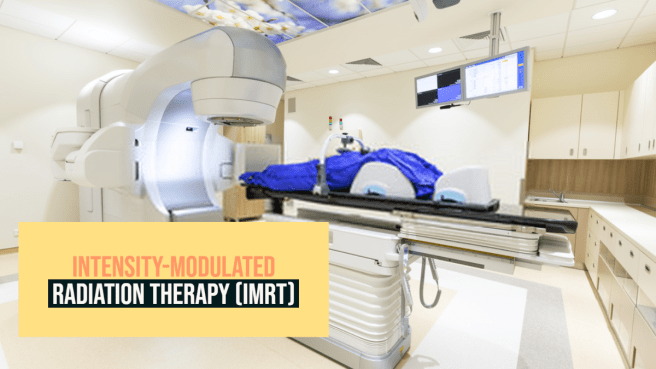
Intensity-modulated radiation therapy (IMRT)

How does IMRT work?

Radiation therapy for cancer is often used to treat the tumor, which is located close to the critical organ and tissues. It is used to treat the following types of cancer:

Treatment procedure

To treat the tumour cells, the patient will have to undergo an imaging test called a CT scan, which will help to map the tumour cell as a 3-D image. After mapping the image, the radiation experts use the advanced computer program IMRT. It helps to locate the tumour and delivers the radiation directly to the tumour cell from different angles.

The radiation therapist will position the patient on a treatment table and will make marks to help guide themselves and deliver the radiation treatment correctly. The IMRT treatment sessions are painless.

Benefits of IMRT

IMRT is mostly used when the tumour cells are present near critical organs. Once the session begins, it directs the radiation dose to focus on the three-dimensional shape of the tumour and modulates the radiation beams into multiple smaller beams. This helps to deliver a higher dose of radiation beams to reach the tumour cell while sparing the healthy tissues around it. Throughout the course of treatment, the machines form the radiation into varying shapes.

How long do IMRT sessions generally last?

The IMRT sessions generally take between 10 to 30 minutes. These sessions are quick and do not include pain. Patients have to undergo this treatment about 5 times per week. This schedule has to be followed for 3 to 9 weeks.

Even though the treatment has been reported to be painless by many, yet anaesthesia would be given to block the awareness of the pain. Most of the patients feel no discomfort, while some have experienced weakness and nausea from the anaesthesia. Radiation therapy affects the healthy tissues around it to some extent. So, it is recommended by the oncologist to take a 2-day pause in treatment every week to help the body repair the damages. The treatment requires the patient to stay for a couple of hours in the hospital.

After the radiotherapy in Bannerghatta road, the oncologists keep a check on the impact of the treatment on the patient. The report generation is done at least once a week. If needed, the treatment plan will be adjusted by the oncologists as per the requirements of the patient.

Often people experience fatigue, emotional distress, and sensitive skin at the site of the radiation beam exposure. The oncologists have suggested that the patients have to take care for themselves by following a proper diet chart, getting extra sleep will be beneficial for the body, using lotions for skincare, and minimizing the sun exposure. As the body will recover, the patient will have to go for fewer visits to the doctor.


Does diabetes lead to breast cancer ?

Diabetes is diagnosed when the glucose level in the blood is high. The consumed food is broken down into glucose. The glucose, which enters the blood after the digestion of food, is the prime energy source for the cells. However, in the absence of insulin, glucose cannot enter the cells and the glucose level in the blood gets high. When the cells do not respond to the insulin properly, the glucose level in the blood increases as well. Diabetes affects the human body in several ways. Among the negative impacts of diabetes is the risk of breast cancer.

Diabetes

Types of diabetes

There are four types of diabetes and they are seen in particular ages.

Type 1 diabetes

The body produces very little insulin in type 1 diabetes. In some cases, the body is unable to produce any insulin. Children and adolescents are mainly diagnosed with this type of diabetes.

Type 2 diabetes

Type 2 diabetes stops the body from making proper use of produce insulin. This type of diabetes is frequently observed in adults. Around 90 to 95% of diabetes falls in this category.

Prediabetes

In prediabetes, the glucose level in the blood is high but not as high to have diabetes. However, this can lead to type 2 diabetes.

Gestational diabetes

Gestational diabetes is found in those pregnant women who didn’t have diabetes before becoming pregnant. This can create complications for the mother and newborn as well.

Does Diabetes leads to breast cancer

How does diabetes lead to breast cancer?

Among the above mentioned four types, type 1 diabetes can increase the risk of breast cancer. Diabetes increases the glucose level, insulin level, and inflammation. These factors can increase the chances of breast cancer as well.

  • The most commonly used medicines used to treat diabetes does not increase the risk of breast cancer. But long-acting insulin can increase the risk factors.
  • As mentioned earlier, type 2 diabetes prevents the accurate use of insulin. In this scenario, the high level of insulin causes hyperinsulinemia. This condition can lead to cancer as it stimulates cells’ growth.
  • Most of the people diagnosed with type 2 diabetes are overweight. The excess fat in the body produces a higher level of adipokines than average. The high level of adipokines can lead to chronic inflammation. Chronic inflammation is often linked to breast cancer.
  • The risk of breast cancer increases from 20 to 27% in 50 years or older women being diagnosed with type 2 diabetes.

People having type 2 diabetes are more likely to get diagnosed at the last stage and therefore, face more difficulty in recovery. Type 2 diabetes is often linked with breast cancer, but the other three types of diabetes do not lead to the condition.

Few people know that breast cancer treatments can increase the risk of diabetes as well. Cancer treatments like chemotherapy and radiation therapy can increase the glucose level in the blood. Both cancer and diabetes have negative impacts on health. Moreover, one condition can increase the risk factor for another. It is important to keep the glucose level in control for health reasons. Managing the glucose level during chemotherapy is essential as well. The best way to fight cancer is to start the treatment immediately after being diagnosed. Diagnosed individuals can get the proper treatment in breast cancer hospitals in Bangalore, Mumbai, Kolkata and other cities of India. These hospitals will take care of the glucose level during cancer treatment.


Watch the below Video :

Watch Dr. Niti Raizada, Director – Medical Oncology & Hemato-oncology, Fortis Hospitals, Bangalore, shed light on Breast Cancer and the importance of spreading awareness on the same.  #BeBreastAware  #FortisCancerInstitute

5 things to know about pancreatic cancer in 2020 ?

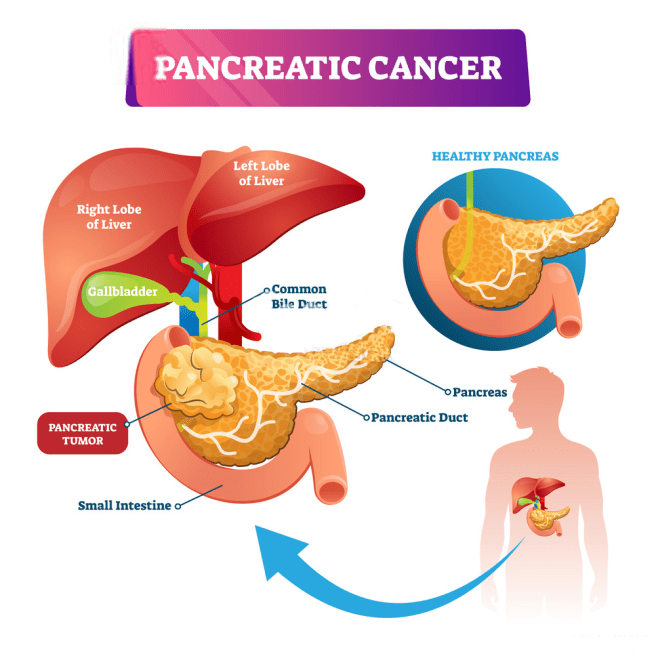
Pancreatic cancer is the leading cause of deaths related to cancer. It is a deadly disease that spreads silently. The location of the pancreas is behind the stomach and in front of the spine. Hormones and digestive juices are produced by the pancreas to regulate blood sugar. Having a detailed knowledge of pancreatic cancer will give you an insight into the signs and risks of the disease.

Pancreatic Cancer

Pancreatic cancer symptoms

There is no early detection method for pancreatic cancer. Patients can get surgery done and control the disease for a long time if the cancer is identified early. But generally, surgery is not an option if the cancer is detected late. As pancreatic cancer grows, it tends to be painless. By the time the symptoms present itself, cancer becomes advanced. Symptoms of pancreatic cancer include –

  • Jaundice
  • Fatigue
  • Depression
  • Loss of appetite
  • Unexplained weight loss
  • Pain in the middle or upper abdomen and back
  • Blood clots

Risk factors of pancreatic cancer

Anything that increases the risk of developing a disease is a risk factor. The following are the risk factors due to which you might develop pancreatic cancer :

  • Obesity
  • Smoking
  • Long-standing diabetes
  • Inflammation of the pancreas
  • Hereditary pancreatitis
  • Lack of exercise

Diagnosis – Pancreatic cancer

Diagnosis of pancreatic cancer usually happens when a person comes to the doctor after experiencing the symptoms for months. After performing a health exam and examining your health history, the doctor may ask you to get several tests done in order to determine the extent of the condition and the cause of the problem. The following tests are recommended –

  • MRI
  • CT Scan
  • Biopsy
  • Laparoscopy
  • Endoscopic Ultrasound
  • Positron Emission Tomography

Pancreatic Cancer treatment –

The treatment of pancreatic cancer depends on the basis of how far it has spread and its stage. After imaging studies, an individual’s physical state and surgical findings, doctors determine if the treatment needs to be performed. Gastrointestinal cancer treatment includes surgery, radiation therapy and chemotherapy. To treat cancer, the surgeon may perform gastrointestinal cancer surgery.

Pancreatic Cancer Treatment (2)

Stages of pancreatic cancer –

The stage of cancer determines the extent of the spread of cancer. Treatment is done depending on the stage of cancer. Following are the stages of pancreatic cancer :

  • Stage 0 – In this stage, cancer has not spread outside the pancreas or to distant sites.
  • Stage 1 – The cancer is limited to the pancreas and is no larger than 0.8 inch in stage IA or is larger than 2 cm but not more than 4 cm in stage IB.
  • Stage 2 – In this stage, the cancer is bigger than 4 cm and is either confined to the pancreas or cancer has outgrown the pancreas in the local spread.
  • Stage 3 – The tumour has spread widely and it may have expanded to the nerves or nearby blood vessels but has not spread to distant sites.
  • Stage 4 – Cancer has spread to distant sites such as lungs, bones and liver.

Prevention of pancreatic cancer –

You can take preventive measures to cure cancer.

  • Stop smoking – The survival rate of an individual improves if they quit smoking after a cancer diagnosis. You can reap huge benefits to your mental and physical health by quitting smoking.
  • Maintain a healthy diet – A diet that includes fruits, vegetables and grains will help you to reduce the risk of pancreatic cancer.
  • Maintain a healthy weight – Work to control your weight if you are obese. Doing exercise daily will help you lose weight.

The risk of pancreatic cancer increases as an individual grows older. Pancreatic cancer patients are generally older than 55 years. However, whether you are a caregiver or a patient, you must have a good knowledge when it comes to cancer.

How does radiotherapy help to treat glioblastoma multiforme?

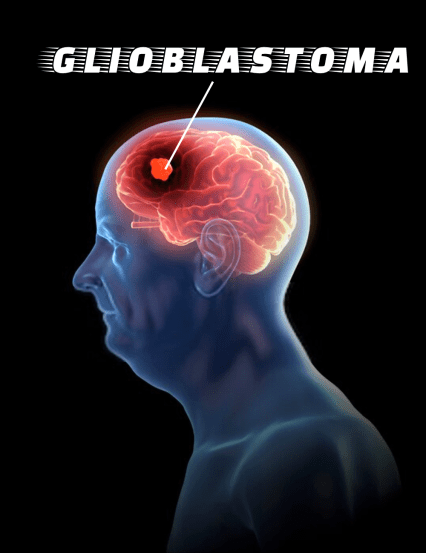
Glioblastoma multiforme also known as glioblastoma is a fast-growing glioma that develops from star-shaped glial cells which support the health of the nerve cells within the brain. It is the most aggressive cancer that begins within the brain and is the second most common brain tumour. Glioblastomas are characterized by the presence of small areas of necrotizing tissue that are surrounded by anaplastic cells. About three per one lakh people develop the disease a year. It most often begins around the age of sixty-four years and occurs more commonly in males than females. Radiation therapy for cancer is an important way of treating the disease. Advanced medical sciences treatment has been adopted in cancer hospital Bangalore and other cancer hospitals in India.

Glioblastoma -Multiforme | Brain Tumor

What is the cause of glioblastoma multiforme?

Glioblastoma cells have more genetic abnormalities than the cells of other types of astrocytoma brain cancer. Researchers believe that several different genetic mutations is involved in the development of these cancers. These genetic mutations can be caused by

  • Inherited DNA defects.
  • High-dose exposure to ionizing radiation
  • Cumulative effects of exposure to chemicals and other carcinogens

Genetic mutation can cause a cell to break away from its normal growth and death cycle; one additional cell can produce additional copies of itself that can eventually accumulate into a tumour.

Symptoms of Glioblastoma Multiforme

Symptoms vary depending on the location of the brain tumour but also may include the following:

  • Persistent Headaches
  • Double or blurred Vision
  • Vomiting
  • Loss of appetite
  • Changes in mood and personality
  • Changes in ability to think and learn
  • Speech difficulty of gradual onset
  • Localized neurological problems

Treatment

Treating glioblastoma is very difficult due to several complication factors. There is a unique barrier, termed the “blood-brain barrier” limiting the passage of molecules, from the main bloodstream into the brain. Glioblastoma is having finger-like tentacles, which extend some more length from the main tumour mass to the surroundings. Generally, it is not possible in a brain tumour to completely remove it considering other tumours in the body.

Brain Cancer Treatment in Bangalore

Surgery

Surgery is the first and foremost way to treat Glioblastoma Multiforme. On an average, the tumour has 1,00,000,000,000 cells. On surgery, it gets reduced by 98%. Even removing a portion of the tumour can reduce the signs and symptoms. Surgery to remove glioma carries risks like infection and bleeding. Tumour can not be removed from the surroundings as they are located near the sensitive areas of the brain.

Chemotherapy

Chemotherapy uses drugs to kill cancer cells. Chemotherapy can be taken orally or intravenously as required by the patient. This treatment is now standard for most cases of glioblastoma. Side-effects of chemotherapy depend on the dose and type of drugs like nausea, vomiting, hair loss, loss of appetite, fever, weakness, low immunity, skin rashes, irritation.

Radiation

Regardless of the advanced diagnostic procedure and multi-treatment which includes maximal surgical resection, followed by radiotherapy along with maintenance temozolomide chemotherapy; almost all patients experience tumour progression. Radiation uses high energy beams such as X-rays or protons to kill tumour cells.


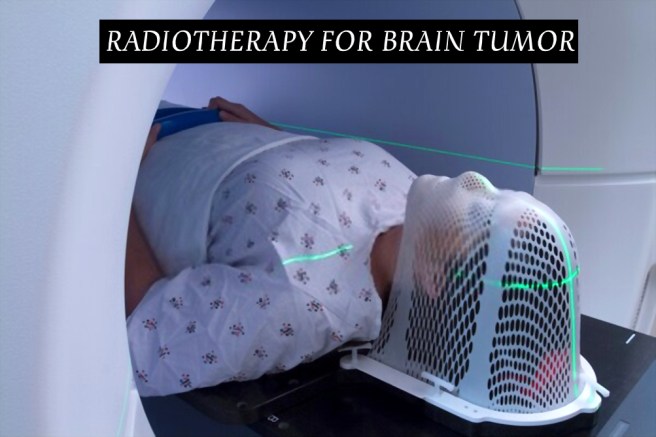
Radiotherapy for brain tumor patients

The type of glioma one has, its grade and other prognostic symptoms are considered in determining the timing and type of radiation therapy a patient may receive. There are different types of radiation therapy:

  • Using a computer system to pinpoint delivery

Techniques include intensity-modulated radiation therapy and 3D conformal radiation therapy. With the help of computers radiation therapy to the exact location of the brain tumour.

  • Using Protons

This technique is called conformal proton beam therapy. The treatment starts once the proton reaches the tumour.

  • Using multiple beams of radiation

This technique is called stereotactic radiation therapy. Every single beam of radiation is not particularly powerful, but the point where all the beams meet at the brain tumour receives a large dosage of radiation to kill the cancer cells in a very small area.

Radiotherapy includes side effects varying with the dosage and type of radiotherapy. The common side effects include fatigue, headache and scalp irritation.

What is kidney cancer? What are the symptoms and treatment?

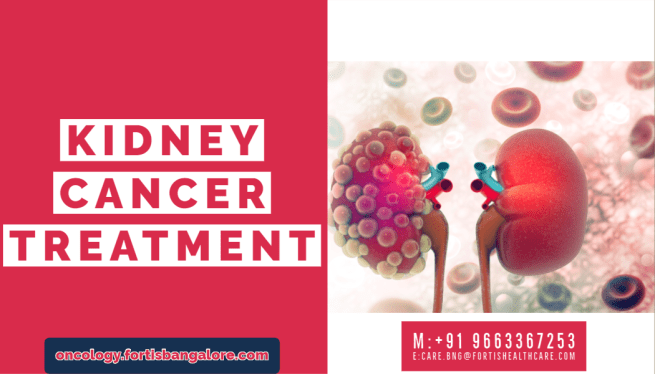
A type of disease that makes kidney cells malignant is Kidney Cancer. When the kidney gets affected with cancer, its cells start getting out of control and form a tumour. Tubules are those part which gets affected by cancer first. Another term for Kidney cancer is Renal cell carcinoma. There are many types of renal cell carcinoma the most common types are called clear cell, chromophobe, and papillary renal cell carcinoma.

Usually, kidney cancer does not spread outside of the kidney, but sometimes it can spread to the other part of the body such as the brain, lungs and bones. Since the changes occur deep inside the body, that is why small kidney tumours may not be seen or felt in the initial stage. CT scans, MRI and biopsy, are needed to spot it out at the initial stage. These tests will also help to figure out if cancer has spread only within the kidney or to the other part of the body. There are some of the best cancer hospitals in Bangalore, famous for Kidney cancer treatment.

Kidney Cancer: Signs and Symptoms

  • Blood will be visible in urine, which called hematuria.
  • One-sided pain on the lower back.
  • An existence of lump on either side of the lower back.
  • Feeling tired all the time.
  • Constantly losing weight without dieting.
  • Fever which is not for infection and stays for a longer time.
  • Anaemia

Kidney Cancer Treatment

Kidney Cancer: Treatment 

These symptoms and signs provides an indication of renal cancer. The more critical cause of kidney cancer is benign diseases. Blood in the urine usually comes due to infection in urinary or bladder tract or a stone in the kidney. Based on these symptoms, few tests could be performed, and according to these test reports, it could be known that whether the cancer is limited to the kidney or the entire body has get affected. Also, treatments of kidney cancer depend on that. Here is a list of some of the primary treatment for kidney cancer

Watch the below video :

Surgical Procedure

Surgery is performed to separate the affected part of the kidney or the whole organ. Basically two surgeries are performed during this process. First one is to remove the affected part known as partial nephrectomy, and another one is performed to separate the entire organ from the body, known as radical nephrectomy.

Medications

Biological therapies include medicines that help to prevent cancer from spreading inside the body. Some such therapies are

  • Pazopanib
  • Sunitinib
  • Cabozantinib
  • Everolimus
  • Tivozanib
  • Everolimus
  • Nivolumab

People with advanced kidney cancer is recommended a treatment called Lenvatinib, along with everolimus. Embolisation is a procedure to disconnect the blood supply to cancerous cells. During embolisation, the surgeon uses a small tube called a catheter into a blood vessel and then connect the hose to the blood vessel supplying the tumour.

Nowadays, radiotherapy is frequently used as a kidney cancer treatment to destroy the cancerous cells and also to protect the other cells from being affected. The procedure is performed by a large machine, radiating a perfectly aimed beam to the affected cells. It may be recommended if someone has advanced kidney cancer and if it has spread to the other part of the body.

Surgery remains the best customary options for all kidney cancer patients. Other options may be taken as primary or secondary options when surgery is cant be permitted because of the other health conditions of the patients as kidney cancer is one of the severe health issues for a human being, so it definitely demands an effective treatment. In this case, the best hospital for kidney cancer treatment is Fortis Hospital in Bangalore.


What is the prognosis and life expectancy of lung cancer?

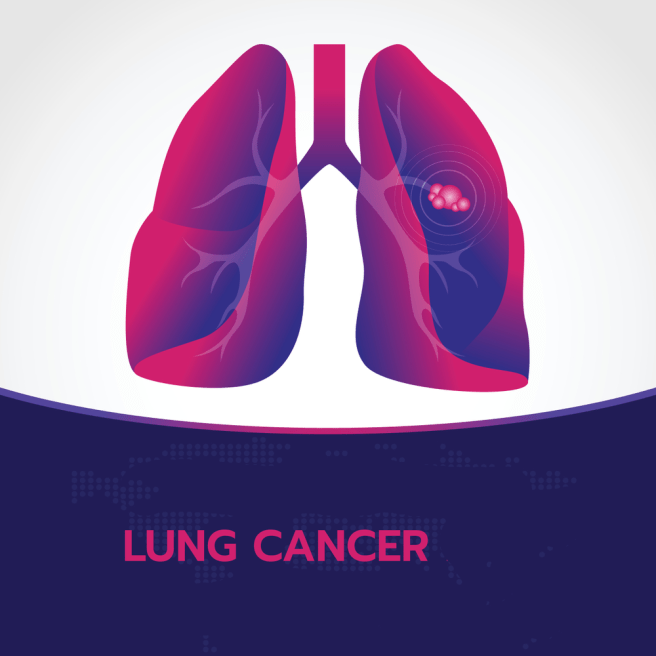
As the name suggests, lungs cancer is the type of cancer associated with the lungs. Most of the time the cancer cells forms in the outer surface of the lungs, which are known as adenocarcinomas. Sometimes it can spread from the passage of the respiratory tract. However, in both cases, the symptoms can be the same. Usually, doctors can get an idea about the stage of cancer after doing a CT scan. Fortis Cancer Institute is one the Leading Cancer treatment hospital in bangalore has the best team of cancer specialist , treats all types of cancer related problems.

Lungs Cancer

The prognosis of the lungs cancer

The patient may be having a worsening cough, which in some cases, result in phlegm coming out along with the blood. Some of the time the patient may get chest pain while breathing. The patient who is suffering from lungs cancer often faces weakness. The doctor may prescribe a quick weight check-up so as to measure the severity of the disease. Moreover, patients that are suffering from lungs cancer may have pneumonia as the cancer cells affect the respiratory tract quickly.

Diagnosis of Lungs cancer

If the doctor has some doubt, he can prescribe the patient to go through several tests. However, lungs cancer screening is generally offered by the doctor for the people who are older than 55 years and have a habit of smoking. The primary test to diagnose lungs cancer is imagining test. Many times, the small lesions in the lungs are not visible in the X-rays test then the doctor may advise for a CT scan. The doctor can also go for a biopsy test if he sees some abnormal growth in the lungs.

The life expectancy of the lungs cancer

Once cancer cells enter the bloodstream and lymph nodes, it is spread quickly in almost all parts of the body. There can be a better picture of treatment if the cancer is being diagnosed before it is spread to other body parts. Factors such as age, health, lifestyle are important to respond better to lungs cancer treatment. Most of the time, the early symptoms are overlooked. The survival picture is difficult to understand as a whole. The best guide can be an expert doctor. If the patient is under medication, it is seen that he can survive up to 24 months. Whereas, life expectancy without medication is only two to four months. Moreover, life expectancy completely varies upon the stage of cancer. If the cancer is being diagnosed at stage 4, so normally the chances of living more than 4 years are almost 1%, whereas the chances to live longer becomes higher to almost 45% in case of stage 1 diagnosed lungs cancer.

Conclusion

Lungs cancer whether non-smaller cell or smaller cell type, both can show some primary symptoms which are most of the time overlooked by the patient. The statistics show that lungs cancer is always being diagnosed at later stages. The chances of responding to medical treatment do depend on the patient’s lifestyle. There are more chances that a patient who is suffering from lungs cancer will have higher life expectancy if he is diagnosed at stage 1 but chances are almost negligible in case of stage 4 diagnosed lungs cancer. In today’s world, there are many lungs cancer treatment hospitals in bangalore which are now offering cost-efficient medical check-ups.

Procedure & benefits of Bone Marrow Transplant

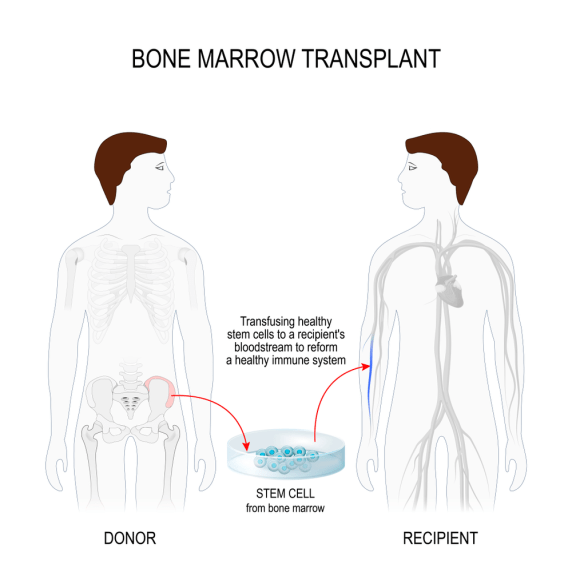
A bone marrow transplant is a special medical therapy that is performed to treat patients with cancers and other diseases by replacing their impaired or damaged bone marrow with a functional one.

The therapy comprises of transplantation of blood stem cells that travel to the bone marrow, where they generate new blood cells and assists in the growth of new marrow.A bone marrow transplant, therefore, helps a patient’s body to produce an adequate amount of white blood cells, red blood cells, and platelets to prevent infections.

India has one of the best bone marrow transplant hospitals with the highest quality treatment facilities especially in the various Centers for bone marrow transplant Hospital in Bangalore that caters to the needs of patients suffering from diseases.

bone marrow transplant in bangalore

Types of a bone marrow transplant

Depending on who the donor is, there are different types of bone marrow transplants: –

  • Autologous Bone Marrow Transplant

In this type of transplant, the patient himself or herself is the donor. It generally involves collecting the patient’s blood cells before starting a damaging therapy to cells such as radiation and chemotherapy.

After completion of the treatment, the cells are returned to the patient’s body. This treatment procedure can only be used if the patient has a healthy bone marrow.

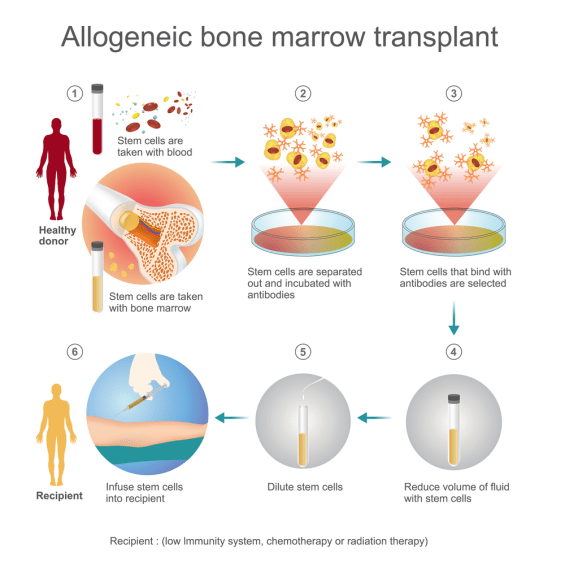
  • Allogeneic Bone Marrow Transplant

The stem cells are either harvested by bone marrow or apheresis from a genetically similar donor such as the patient’s brother or sister.

Allogeneic Bone Marrow Transplant

A donor registry can also be used to find genetic matches. An allogeneic bone marrow transplant will yield a successful result if the donor cells closely match with the patient’s cells.

The Procedure for Bone Marrow Transplant

  • If the patient is undergoing an allogeneic transplant, then the doctor will collect the bone marrow cells one or two days prior to the procedure.
  • Cells are primarily harvested in two ways. A needle is used to harvest the cells from both the hip bones.
  • Leukapheresis– During this process, 5 shots are given to the patient in order to move the bone marrow into the bloodstream. A central venous catheter needle or a port is fitted on the upper right region of the patient’s chest so that the fluid comprising the new stem cells flows straight into the recipient’s heart.
  • These stem cells spread throughout the patient’s body. They surge through the blood into the bone marrow, where they get established and start developing.
  • The port of the needle is left in the chest region, as this procedure takes a few days to get completed.
  • Multiple sessions are conducted which provide the stem cells with a chance to incorporate themselves into the patient’s body. This process is also known as engraftment
  • The port can even be used to obtain liquids, nutrients and blood transfusion.
  • Depending on how well the patient handles the treatment, he/she may be required to take certain medications to prevent any infections as well as to help the new marrow develop.

The benefits of Bone Marrow Transplant

Nowadays, availing of the benefits of this procedure has become more convenient due to a wide range of affordable hospitals for bone marrow transplant in Bangalore. The multiple advantages offered are: –

  • It replaces the diseased and damaged bone marrow with a healthy one.
  • It helps in the renewal of the immune system to fight off existing leukemia and other cancers that were not destroyed through radiation or chemotherapy.
  • It helps to avoid the damaging effects of genetic diseases.
  • It revives the general functioning of the bone marrow through high doses of radiation or chemotherapy to cure a malignancy.

With a number of Best bone marrow transplant hospitals all over India, patients can now get the benefits of cost-effective treatment and care for cancer, chronic diseases, and various other infections.


Flash News :

Best cancer hospital in bangalore