Does diabetes lead to breast cancer ?

Diabetes is diagnosed when the glucose level in the blood is high. The consumed food is broken down into glucose. The glucose, which enters the blood after the digestion of food, is the prime energy source for the cells. However, in the absence of insulin, glucose cannot enter the cells and the glucose level in the blood gets high. When the cells do not respond to the insulin properly, the glucose level in the blood increases as well. Diabetes affects the human body in several ways. Among the negative impacts of diabetes is the risk of breast cancer.

Diabetes

Types of diabetes

There are four types of diabetes and they are seen in particular ages.

Type 1 diabetes

The body produces very little insulin in type 1 diabetes. In some cases, the body is unable to produce any insulin. Children and adolescents are mainly diagnosed with this type of diabetes.

Type 2 diabetes

Type 2 diabetes stops the body from making proper use of produce insulin. This type of diabetes is frequently observed in adults. Around 90 to 95% of diabetes falls in this category.

Prediabetes

In prediabetes, the glucose level in the blood is high but not as high to have diabetes. However, this can lead to type 2 diabetes.

Gestational diabetes

Gestational diabetes is found in those pregnant women who didn’t have diabetes before becoming pregnant. This can create complications for the mother and newborn as well.

Does Diabetes leads to breast cancer

How does diabetes lead to breast cancer?

Among the above mentioned four types, type 1 diabetes can increase the risk of breast cancer. Diabetes increases the glucose level, insulin level, and inflammation. These factors can increase the chances of breast cancer as well.

  • The most commonly used medicines used to treat diabetes does not increase the risk of breast cancer. But long-acting insulin can increase the risk factors.
  • As mentioned earlier, type 2 diabetes prevents the accurate use of insulin. In this scenario, the high level of insulin causes hyperinsulinemia. This condition can lead to cancer as it stimulates cells’ growth.
  • Most of the people diagnosed with type 2 diabetes are overweight. The excess fat in the body produces a higher level of adipokines than average. The high level of adipokines can lead to chronic inflammation. Chronic inflammation is often linked to breast cancer.
  • The risk of breast cancer increases from 20 to 27% in 50 years or older women being diagnosed with type 2 diabetes.

People having type 2 diabetes are more likely to get diagnosed at the last stage and therefore, face more difficulty in recovery. Type 2 diabetes is often linked with breast cancer, but the other three types of diabetes do not lead to the condition.

Few people know that breast cancer treatments can increase the risk of diabetes as well. Cancer treatments like chemotherapy and radiation therapy can increase the glucose level in the blood. Both cancer and diabetes have negative impacts on health. Moreover, one condition can increase the risk factor for another. It is important to keep the glucose level in control for health reasons. Managing the glucose level during chemotherapy is essential as well. The best way to fight cancer is to start the treatment immediately after being diagnosed. Diagnosed individuals can get the proper treatment in breast cancer hospitals in Bangalore, Mumbai, Kolkata and other cities of India. These hospitals will take care of the glucose level during cancer treatment.


Watch the below Video :
Watch Dr. Niti Raizada, Director – Medical Oncology & Hemato-oncology, Fortis Hospitals, Bangalore, shed light on Breast Cancer and the importance of spreading awareness on the same.  #BeBreastAware  #FortisCancerInstitute

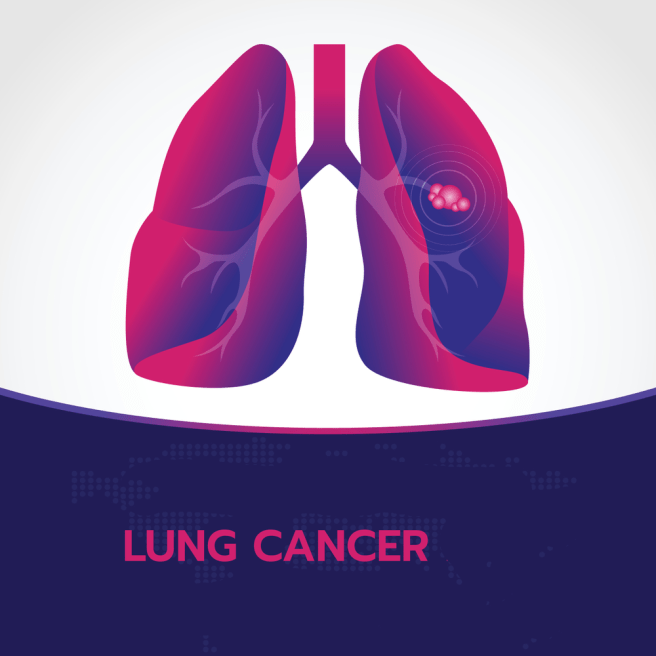
What is the prognosis and life expectancy of lung cancer?

As the name suggests, lungs cancer is the type of cancer associated with the lungs. Most of the time the cancer cells forms in the outer surface of the lungs, which are known as adenocarcinomas. Sometimes it can spread from the passage of the respiratory tract. However, in both cases, the symptoms can be the same. Usually, doctors can get an idea about the stage of cancer after doing a CT scan. Fortis Cancer Institute is one the Leading Cancer treatment hospital in bangalore has the best team of cancer specialist , treats all types of cancer related problems.

Lungs Cancer

The prognosis of the lungs cancer

The patient may be having a worsening cough, which in some cases, result in phlegm coming out along with the blood. Some of the time the patient may get chest pain while breathing. The patient who is suffering from lungs cancer often faces weakness. The doctor may prescribe a quick weight check-up so as to measure the severity of the disease. Moreover, patients that are suffering from lungs cancer may have pneumonia as the cancer cells affect the respiratory tract quickly.

Diagnosis of Lungs cancer

If the doctor has some doubt, he can prescribe the patient to go through several tests. However, lungs cancer screening is generally offered by the doctor for the people who are older than 55 years and have a habit of smoking. The primary test to diagnose lungs cancer is imagining test. Many times, the small lesions in the lungs are not visible in the X-rays test then the doctor may advise for a CT scan. The doctor can also go for a biopsy test if he sees some abnormal growth in the lungs.

The life expectancy of the lungs cancer

Once cancer cells enter the bloodstream and lymph nodes, it is spread quickly in almost all parts of the body. There can be a better picture of treatment if the cancer is being diagnosed before it is spread to other body parts. Factors such as age, health, lifestyle are important to respond better to lungs cancer treatment. Most of the time, the early symptoms are overlooked. The survival picture is difficult to understand as a whole. The best guide can be an expert doctor. If the patient is under medication, it is seen that he can survive up to 24 months. Whereas, life expectancy without medication is only two to four months. Moreover, life expectancy completely varies upon the stage of cancer. If the cancer is being diagnosed at stage 4, so normally the chances of living more than 4 years are almost 1%, whereas the chances to live longer becomes higher to almost 45% in case of stage 1 diagnosed lungs cancer.

Conclusion

Lungs cancer whether non-smaller cell or smaller cell type, both can show some primary symptoms which are most of the time overlooked by the patient. The statistics show that lungs cancer is always being diagnosed at later stages. The chances of responding to medical treatment do depend on the patient’s lifestyle. There are more chances that a patient who is suffering from lungs cancer will have higher life expectancy if he is diagnosed at stage 1 but chances are almost negligible in case of stage 4 diagnosed lungs cancer. In today’s world, there are many lungs cancer treatment hospitals in bangalore which are now offering cost-efficient medical check-ups.