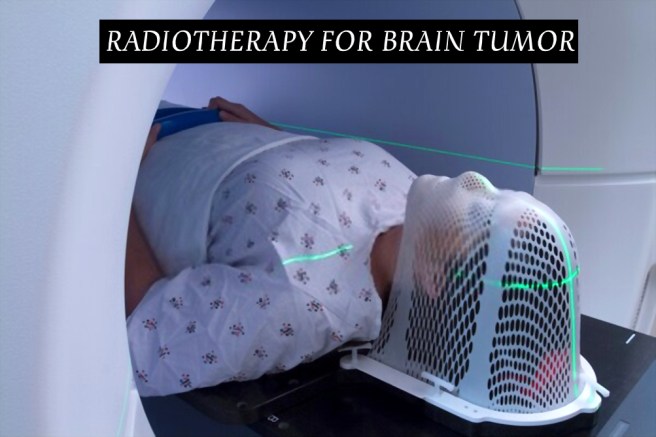
How does IMRT radiation work? how long sessions generally last.

The patients get worried and overwhelmed at the beginning of cancer treatment. Acknowledging the treatment procedure and its benefits will help to ease the process. The information provided will boost the confidence on the treatment.

The oncologists often suggest cancer patients to go for Intensity-modulated radiation therapy (IMRT) for initial cancer treatment. The treatment involves the use of advanced computer programs to compute and deliver radiation directly to the cancer cells from different angles. It allows the cancer patient to receive higher and more effective doses of radiation. It also limits the damage to the healthy tissues and organs around the cancer cell. This added advantage of adopting the IMRT procedure increases the chances of cure and lessens the side effects.
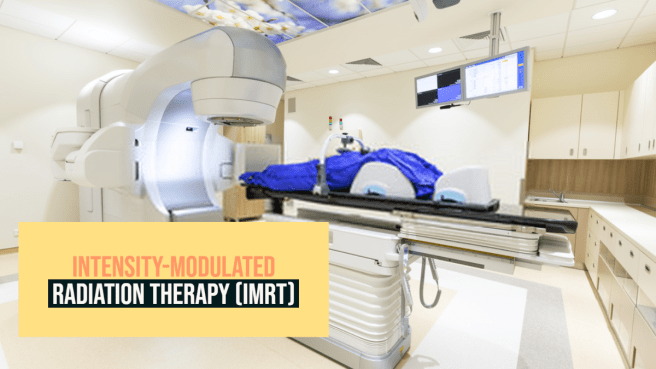
Intensity-modulated radiation therapy (IMRT)

How does IMRT work?

Radiation therapy for cancer is often used to treat the tumor, which is located close to the critical organ and tissues. It is used to treat the following types of cancer:

Treatment procedure

To treat the tumour cells, the patient will have to undergo an imaging test called a CT scan, which will help to map the tumour cell as a 3-D image. After mapping the image, the radiation experts use the advanced computer program IMRT. It helps to locate the tumour and delivers the radiation directly to the tumour cell from different angles.

The radiation therapist will position the patient on a treatment table and will make marks to help guide themselves and deliver the radiation treatment correctly. The IMRT treatment sessions are painless.

Benefits of IMRT

IMRT is mostly used when the tumour cells are present near critical organs. Once the session begins, it directs the radiation dose to focus on the three-dimensional shape of the tumour and modulates the radiation beams into multiple smaller beams. This helps to deliver a higher dose of radiation beams to reach the tumour cell while sparing the healthy tissues around it. Throughout the course of treatment, the machines form the radiation into varying shapes.

How long do IMRT sessions generally last?

The IMRT sessions generally take between 10 to 30 minutes. These sessions are quick and do not include pain. Patients have to undergo this treatment about 5 times per week. This schedule has to be followed for 3 to 9 weeks.

Even though the treatment has been reported to be painless by many, yet anaesthesia would be given to block the awareness of the pain. Most of the patients feel no discomfort, while some have experienced weakness and nausea from the anaesthesia. Radiation therapy affects the healthy tissues around it to some extent. So, it is recommended by the oncologist to take a 2-day pause in treatment every week to help the body repair the damages. The treatment requires the patient to stay for a couple of hours in the hospital.

After the radiotherapy in Bannerghatta road, the oncologists keep a check on the impact of the treatment on the patient. The report generation is done at least once a week. If needed, the treatment plan will be adjusted by the oncologists as per the requirements of the patient.

Often people experience fatigue, emotional distress, and sensitive skin at the site of the radiation beam exposure. The oncologists have suggested that the patients have to take care for themselves by following a proper diet chart, getting extra sleep will be beneficial for the body, using lotions for skincare, and minimizing the sun exposure. As the body will recover, the patient will have to go for fewer visits to the doctor.
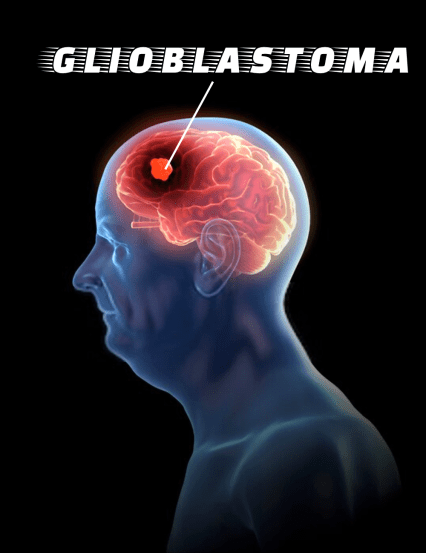
How does radiotherapy help to treat glioblastoma multiforme?

Glioblastoma multiforme also known as glioblastoma is a fast-growing glioma that develops from star-shaped glial cells which support the health of the nerve cells within the brain. It is the most aggressive cancer that begins within the brain and is the second most common brain tumour. Glioblastomas are characterized by the presence of small areas of necrotizing tissue that are surrounded by anaplastic cells. About three per one lakh people develop the disease a year. It most often begins around the age of sixty-four years and occurs more commonly in males than females. Radiation therapy for cancer is an important way of treating the disease. Advanced medical sciences treatment has been adopted in cancer hospital Bangalore and other cancer hospitals in India.

Glioblastoma -Multiforme | Brain Tumor

What is the cause of glioblastoma multiforme?

Glioblastoma cells have more genetic abnormalities than the cells of other types of astrocytoma brain cancer. Researchers believe that several different genetic mutations is involved in the development of these cancers. These genetic mutations can be caused by

  • Inherited DNA defects.
  • High-dose exposure to ionizing radiation
  • Cumulative effects of exposure to chemicals and other carcinogens

Genetic mutation can cause a cell to break away from its normal growth and death cycle; one additional cell can produce additional copies of itself that can eventually accumulate into a tumour.

Symptoms of Glioblastoma Multiforme

Symptoms vary depending on the location of the brain tumour but also may include the following:

  • Persistent Headaches
  • Double or blurred Vision
  • Vomiting
  • Loss of appetite
  • Changes in mood and personality
  • Changes in ability to think and learn
  • Speech difficulty of gradual onset
  • Localized neurological problems

Treatment

Treating glioblastoma is very difficult due to several complication factors. There is a unique barrier, termed the “blood-brain barrier” limiting the passage of molecules, from the main bloodstream into the brain. Glioblastoma is having finger-like tentacles, which extend some more length from the main tumour mass to the surroundings. Generally, it is not possible in a brain tumour to completely remove it considering other tumours in the body.

Brain Cancer Treatment in Bangalore

Surgery

Surgery is the first and foremost way to treat Glioblastoma Multiforme. On an average, the tumour has 1,00,000,000,000 cells. On surgery, it gets reduced by 98%. Even removing a portion of the tumour can reduce the signs and symptoms. Surgery to remove glioma carries risks like infection and bleeding. Tumour can not be removed from the surroundings as they are located near the sensitive areas of the brain.

Chemotherapy

Chemotherapy uses drugs to kill cancer cells. Chemotherapy can be taken orally or intravenously as required by the patient. This treatment is now standard for most cases of glioblastoma. Side-effects of chemotherapy depend on the dose and type of drugs like nausea, vomiting, hair loss, loss of appetite, fever, weakness, low immunity, skin rashes, irritation.

Radiation

Regardless of the advanced diagnostic procedure and multi-treatment which includes maximal surgical resection, followed by radiotherapy along with maintenance temozolomide chemotherapy; almost all patients experience tumour progression. Radiation uses high energy beams such as X-rays or protons to kill tumour cells.


Radiotherapy for brain tumor patients

The type of glioma one has, its grade and other prognostic symptoms are considered in determining the timing and type of radiation therapy a patient may receive. There are different types of radiation therapy:

  • Using a computer system to pinpoint delivery

Techniques include intensity-modulated radiation therapy and 3D conformal radiation therapy. With the help of computers radiation therapy to the exact location of the brain tumour.

  • Using Protons

This technique is called conformal proton beam therapy. The treatment starts once the proton reaches the tumour.

  • Using multiple beams of radiation

This technique is called stereotactic radiation therapy. Every single beam of radiation is not particularly powerful, but the point where all the beams meet at the brain tumour receives a large dosage of radiation to kill the cancer cells in a very small area.

Radiotherapy includes side effects varying with the dosage and type of radiotherapy. The common side effects include fatigue, headache and scalp irritation.